
Television has undergone a significant transformation, moving away from traditional giant cable boxes and expensive satellite packages. Millions of viewers have made the switch to Internet Protocol Television (IPTV), enjoying the benefits of streaming TV channels, movies, and shows on demand directly from the Internet.
This shift offers additional choices, better quality, and lower prices. As you navigate the complex world of IPTV services, it’s essential to consider several key factors to find the best IPTV service that matches your entertainment needs and budget.
By understanding what sets IPTV apart from traditional cable and satellite services, you’ll be better equipped to make an informed decision.
Key Takeaways
- Understand the differences between IPTV and traditional TV services.
- Learn about the essential factors to consider when choosing an IPTV service.
- Discover how to ensure the IPTV service you choose is legal and secure.
- Find out how to select an IPTV service that meets your entertainment needs and budget.
- Get insights into the importance of streaming quality and device compatibility.
Understanding IPTV: What It Is and How It Works
IPTV, or Internet Protocol Television, represents a significant shift in how we consume television content. It refers to television content that is delivered over an Internet Protocol (IP) network, rather than through traditional satellite or cable television formats.
Definition of IPTV
IPTV stands for Internet Protocol Television. It allows users to stream different types of media content, such as live TV channels, movies, and videos, using an active internet connection. This method of content delivery is changing the way we view television, offering more flexibility and personalization.
Different Types of IPTV Services
There are three main types of IPTV services available:
- Video on Demand (VOD) services, like Netflix, which allow users to select and watch content at their convenience.
- Live IPTV streaming for real-time broadcasts, ideal for events like sports and news.
- Time-shifted media, which enables users to pause and rewind live TV, offering greater control over their viewing experience.
For those interested in exploring IPTV services further, visiting a reputable provider like American IPTV Box can offer insights into the available options.
How IPTV Differs from Traditional Cable and Satellite
Unlike traditional cable or satellite systems that broadcast all channels simultaneously, IPTV sends only the channel you request. This makes IPTV more efficient in terms of bandwidth usage and enables interactive features that are not available with traditional TV services.
| Feature | IPTV | Traditional Cable/Satellite |
|---|---|---|
| Content Delivery | Over internet protocol | Through physical infrastructure |
| Bandwidth Usage | Efficient, sends only requested channels | Broadcasts all channels simultaneously |
| Interactive Features | Yes, enables features like pause/rewind live TV | Limited interactive capabilities |
Benefits of Choosing an IPTV Provider Over Traditional Cable
Switching from traditional cable to IPTV services can revolutionize your viewing experience. With numerous benefits, IPTV providers offer a more flexible, cost-effective, and feature-rich alternative to traditional cable television.
Cost Advantages and Flexible Pricing
One of the primary advantages of IPTV services is their cost-effectiveness. IPTV subscriptions typically cost 30-70% less than comparable cable packages while offering significantly more channels and content options. This makes IPTV an economical choice for budget-conscious viewers. Additionally, IPTV providers often offer flexible pricing plans, allowing you to choose a package that suits your viewing needs and budget.
Greater Content Selection and Global Access
IPTV services provide access to a vast array of content, including live channels, on-demand libraries, and global content. Unlike geographically limited cable services, IPTV allows you to watch live TV from anywhere around the world, including international sports, news, and entertainment channels that would be unavailable or require premium packages with traditional providers.
Multi-Device Compatibility and Viewing Options
The multi-device compatibility of IPTV services enables you to watch your favorite content across various devices, including smart TVs, smartphones, tablets, and computers, without additional equipment rental fees. IPTV offers greater flexibility with both live channels and extensive on-demand libraries, letting you watch what you want, when you want, without being tied to broadcast schedules.
Overall, IPTV providers deliver superior streaming quality with options for HD, Full HD, and even 4K content, often surpassing the compressed signals sent through traditional cable systems. This results in a better viewing experience with more options for accessing your favorite content.
Key Factors to Consider When Selecting an IPTV Provider
Choosing the right IPTV provider is a crucial decision that depends on several key factors. With numerous services available, it’s essential to evaluate your options carefully to ensure you select a provider that meets your viewing needs and preferences.
Content Library and Channel Selection
The content library is arguably the most important factor when choosing an IPTV provider. You should look for services that offer the specific channels, sports packages, and regional content that match your viewing preferences. Whether you’re interested in international channels, sports channels, movies, or general entertainment, the IPTV service should cater to your needs.
For instance, if you’re a sports enthusiast, you’ll want a provider that offers a wide range of sports channels and packages. On the other hand, if you’re more interested in movies and TV shows, look for a service with a robust on-demand library.
Streaming Quality and Resolution Options
Streaming quality varies significantly between providers. The best IPTV services offer multiple resolution options (SD, HD, Full HD, and 4K) to accommodate different internet speeds and device capabilities. This ensures that you can enjoy your content without buffering or quality issues, regardless of your device or internet connection.

Device Compatibility and App Support
Device compatibility is crucial when selecting an IPTV provider. Ensure that your chosen service works across all your preferred viewing devices and offers dedicated apps for major platforms like Android, iOS, Fire TV, and smart TVs. This flexibility allows you to watch your favorite content on the device of your choice.
Pricing Structure and Subscription Options
Evaluating the pricing structure and subscription options is vital. Compare monthly, quarterly, and annual subscription plans, and watch out for hidden fees or limitations on simultaneous streams or device connections. The best IPTV provider should offer flexible pricing options that suit your budget and viewing habits.
| IPTV Provider | Content Offerings | Streaming Quality | Device Compatibility | Pricing |
|---|---|---|---|---|
| Provider A | Wide range of channels, sports packages | HD, 4K | Android, iOS, Fire TV, Smart TVs | $20/month |
| Provider B | International channels, on-demand content | SD, HD, Full HD | Android, iOS, Fire TV | $15/month |
| Provider C | Sports channels, regional content | HD, 4K | Android, iOS, Smart TVs | $25/month |
By considering these key factors, you can make an informed decision when selecting an IPTV provider that meets your specific needs and enhances your viewing experience.
Technical Requirements for a Smooth IPTV Experience
For an uninterrupted IPTV experience, it’s crucial to understand the technical necessities. A reliable high-speed internet connection is the foundation of a good IPTV experience. You need a stable internet connection and a compatible device, such as a smart TV, phone, or streaming box, to watch IPTV.
Internet Connection Speed Requirements
A reliable high-speed internet connection is essential. Aim for at least 10 Mbps for standard definition content, 20+ Mbps for HD streaming, and 50+ Mbps for 4K content to avoid buffering issues. This ensures a smooth viewing experience across different channels and streaming services.
Compatible Devices and Hardware
Most modern smart TVs, streaming devices like Amazon Fire Stick, Roku, and Apple TV, smartphones, tablets, and computers are compatible with IPTV services. However, older devices may have limitations with newer app features. Consider investing in an Ethernet connection for your primary viewing device, as wired connections provide more stable streams and consistent performance for live channels.
IPTV Players and Media Center Options
Dedicated IPTV players and apps like IPTV Smarters, Perfect Player, or TiviMate offer enhanced features for organizing channels, customizing interfaces, and optimizing streaming performance across different networks and devices. Some IPTV services work best with specific media center software like Kodi or Plex, which can enhance the viewing experience by integrating multiple streaming sources and local media into a single interface.
Legal and Security Considerations for IPTV Services
When exploring IPTV services, it’s crucial to consider both legal and security aspects to ensure a safe and compliant viewing experience. IPTV, or Internet Protocol Television, has become a popular alternative to traditional cable and satellite TV, offering a wide range of channels and content. However, the legal landscape for IPTV services varies widely.
Understanding Legal vs. Questionable IPTV Services
Legitimate IPTV providers secure proper licensing agreements for their content, ensuring that users have access to authorized channels and content. On the other hand, questionable services may redistribute channels without authorization, putting users at potential legal risk. When evaluating an IPTV service’s legitimacy, look for transparent business operations, proper customer support channels, secure payment methods, and reasonable pricing that reflects the cost of content licensing.
Be wary of services offering thousands of premium channels at suspiciously low prices, as these are often unauthorized operations that may provide inconsistent service quality and pose security risks to your networks and devices.
Privacy and Security Risks
Privacy risks with IPTV services include potential data collection about viewing habits, unsecured connections that could expose your personal information, and malware risks from unofficial apps or add-ons. To mitigate these risks, it’s essential to choose IPTV services that prioritize user privacy and security.
Using VPNs with IPTV Services
Using a reputable VPN service with your IPTV subscription can enhance security by encrypting your connection, protect your privacy from ISP monitoring, and help access geo-restricted content when traveling. For instance, if you’re looking for an IPTV service with local channels, a VPN can help you access your usual subscriptions and content libraries in most cases.
A VPN masks your IP address to change your virtual location, allowing you to continue watching local news, your favorite channels, and on-demand content while you’re away. This is particularly useful when streaming on restricted networks, such as those found in offices, schools, or public Wi-Fi hotspots.
Top IPTV Providers in the Market
As we explore the top IPTV providers, you’ll discover the best options for your viewing needs. The IPTV market is diverse, offering a range of services that cater to different viewer preferences, from sports enthusiasts to those seeking international content.
Premium Legal IPTV Services
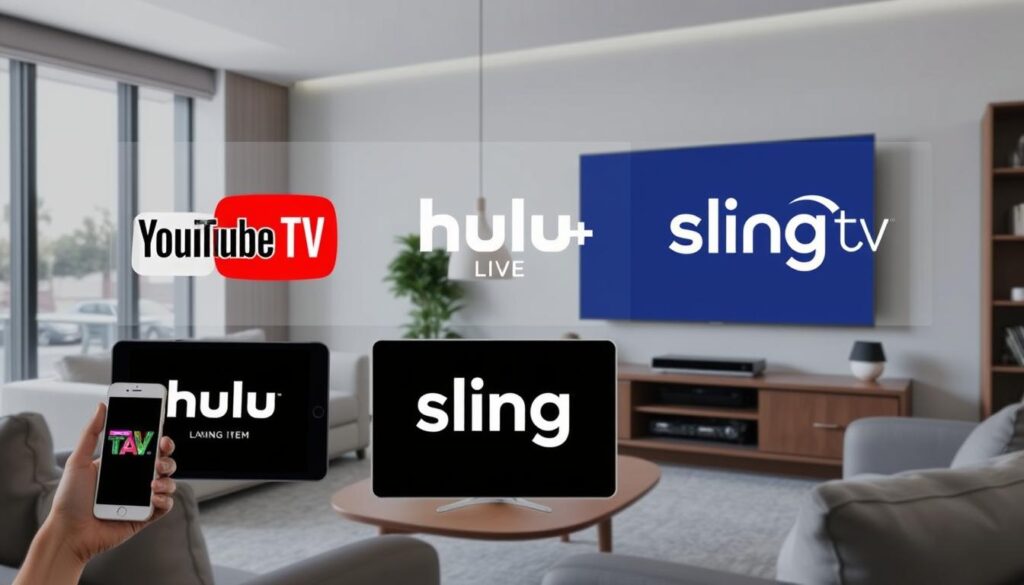
Premium legal IPTV services such as YouTube TV, Hulu + Live TV, and Sling TV offer extensive channel lineups with proper licensing agreements. These services provide reliable streaming quality and excellent customer support, although at higher price points than some alternatives.
Some of the key features of these premium services include:
- Comprehensive channel lineups that include popular sports, news, and entertainment channels
- On-demand content libraries that offer a wide range of movies and TV shows
- Multi-device support, allowing users to stream content on various devices
Specialized IPTV Providers for Sports and International Content
For sports enthusiasts, specialized providers like DAZN and ESPN+ deliver comprehensive live sports coverage with features specifically designed for sports viewing, including multi-game viewing, stats integration, and replay capabilities.
International content specialists such as YuppTV (South Asian content) and Shahid VIP (Arabic content) provide authentic regional programming that’s often unavailable through mainstream American providers.
- DAZN offers exclusive sports content, including live and on-demand sports events
- ESPN+ provides a wide range of sports content, including original programming and exclusive events
- YuppTV and Shahid VIP cater to specific regional audiences with content in their native languages

When comparing top IPTV providers, it’s essential to evaluate their specific strengths. Some providers excel in sports coverage, while others offer the most comprehensive movie libraries. The key is to find a service that aligns with your viewing habits and preferences.
Many of the best IPTV services now include extensive on-demand libraries alongside their live channels, effectively combining traditional TV with Netflix-style content libraries for a complete entertainment solution.
Setting Up Your IPTV Service: A Step-by-Step Guide
To get started with your IPTV service, you’ll need to choose the right subscription plan and configure your devices. This process involves several key steps that will ensure you have a smooth and enjoyable streaming experience.
Choosing the Right Subscription Plan
Begin your IPTV setup by selecting a subscription plan that matches your viewing habits. Consider factors like the number of simultaneous streams allowed, resolution quality options, and whether you need additional features like DVR functionality. Most IPTV services offer various plans, so it’s essential to review these details before making your decision. You can visit the provider’s website to explore their offerings and choose the best plan for your needs.
Installing and Configuring IPTV Apps
Most legitimate IPTV services provide dedicated apps for popular platforms. Download these directly from official app stores like Google Play, Apple App Store, or Amazon Appstore for the most secure and reliable experience. For instance, many IPTV apps are available directly through the Amazon Appstore; simply type the platform name into the search bar on the Fire TV Stick home screen to find and download the app for your streaming service. If the IPTV service you want isn’t available to download directly, there’s a workaround you can use to sideload these apps onto your Fire TV Stick.
For devices without direct app support, you may need to use third-party IPTV players like VLC, IPTV Smarters Pro, or Perfect Player, which can be configured with your service credentials or M3U playlist URLs.
Setting Up IPTV on Different Devices
Setting up IPTV on smart TVs typically involves downloading the provider’s app or using built-in media players that support IPTV protocols. Streaming devices like Fire TV Stick often offer the simplest setup experience. Some services require additional configuration steps like entering specific server addresses, portal URLs, or MAC addresses – keep this information from your provider handy during the setup process to avoid unnecessary troubleshooting. For more detailed guides, you can refer to resources like The Ultimate Guide to Finding the Best IPTV.
Troubleshooting Common IPTV Issues
When using IPTV services, several common issues can arise that affect your viewing experience. Understanding these problems and their solutions can help you enjoy uninterrupted streaming.
Buffering and Streaming Quality Problems
Buffering and freezing are often caused by a slow or unstable internet connection. To resolve this, try restarting your router, closing other apps or windows, or reducing the number of devices using your network. You can also lower the streaming quality in your IPTV app settings to ease the load. For more information on optimizing your IPTV experience, check out our guide on how to fix IPTV buffering with VPN.
Connection and Authentication Issues
Authentication failures often occur when your subscription has expired, your account credentials are entered incorrectly, or the service is experiencing server issues. Verify your account status through the provider’s website and contact customer support if problems continue. Ensuring your device and app are updated can also help prevent connection issues.
Channel and Content Access Problems
If certain channels or content sections aren’t loading, try refreshing your playlist or checking for updates to your IPTV app. Clearing the app’s cache or restarting your device can also resolve the issue. If the problem persists, check your provider’s status page or social media channels for known outages or maintenance.
Optimizing Your IPTV Experience
Optimizing your IPTV experience involves several straightforward steps that can significantly enhance your streaming quality and overall satisfaction with the service.
Improving Streaming Quality and Performance
To improve streaming quality, start by ensuring your internet connection is robust enough for IPTV streaming. A minimum speed of 20 Mbps is recommended for HD content. Using a VPN can also enhance your experience by protecting your data and preventing content-based throttling. Additionally, keeping your IPTV app updated is crucial as updates often include performance improvements and bug fixes.
- Upgrade your internet connection if necessary to support high-definition streaming.
- Use a VPN to secure your data and potentially bypass throttling.
- Regularly update your IPTV app to benefit from the latest features and fixes.
- Clear your device’s cache regularly to prevent lag and crashes.
- Avoid overloading your network with too many simultaneous streams.
Organizing Channels and Content
Organizing your IPTV channels and content can greatly enhance your viewing experience. Most IPTV apps allow you to create personalized channel lists or favorites. This feature enables you to categorize content by type, such as sports, news, or movies, making it easier to find what you’re looking for.
- Create customized channel lists based on your preferences or family members’ interests.
- Utilize the app’s features to organize content into categories.
- For more information on selecting the best IPTV service, visit our IPTV guide.
By implementing these strategies, you can significantly improve your IPTV experience, enjoying better streaming quality and easier access to your favorite channels and content.
Future of IPTV: Trends and Developments
The IPTV industry is on the cusp of a revolution, driven by technological advancements and changing consumer preferences. As IPTV providers continue to innovate, they’re poised to deliver even more compelling services to their customers.
Technological Advancements in IPTV
Artificial intelligence is revolutionizing IPTV streaming services through personalized content recommendations, automated quality adjustments based on network conditions, and voice control integration for hands-free navigation. According to a report on IPTV software platform market growth, the industry is expected to witness significant advancements in AI-driven technologies.
Some key trends include:
- 4K HDR streaming capabilities
- Interactive content options
- Multi-view capabilities for simultaneous sports events
Integration with Smart Home Systems
The next frontier for IPTV lies in its integration with smart home systems. This convergence enables viewers to control ambient lighting, receive doorbell notifications, and adjust room temperature without interrupting their viewing experience. As IPTV services become more intertwined with smart home features, users can expect a more seamless and immersive entertainment experience.
As the IPTV market continues to grow, reaching an estimated $200.22 billion by 2030, we can expect to see even more innovative features and services emerge. With live sports and on-demand content driving demand, IPTV providers are well-positioned to capitalize on these trends and deliver enhanced viewing experiences to their customers.
How to Evaluate IPTV Provider Customer Support
The level of customer support offered by an IPTV provider can significantly impact your overall satisfaction with the service. Quality customer support is a crucial differentiator between IPTV providers, making it essential to evaluate their support channels and availability before committing to a long-term subscription.
Support Channels and Availability
Look for IPTV services that offer multiple support channels, including live chat, email tickets, and phone support. 24/7 availability is particularly important for services with international users across different time zones. You can test their response times by sending test questions before making a commitment. For more information on choosing the right IPTV service, you can visit this comprehensive buyer’s guide.
Community Forums and Resources
Providers with comprehensive knowledge bases, video tutorials, and setup guides on their website can help you resolve common issues quickly. Active community forums are also invaluable resources for troubleshooting, as experienced users often share solutions and feedback about service quality. Pay attention to how providers handle service outages, providing transparent status updates and estimated resolution times.
Conclusion
As we navigate the ever-evolving IPTV landscape in 2025, it’s clear that the right choice can revolutionize your entertainment experience. With numerous providers like IPTV Trends and XtreamView IPTV offering stability and vast content libraries, you’re spoiled for choice. To find the best IPTV service, balance content selection, streaming quality, and device compatibility with your budget. Check out our list of top 10 IPTV services at https://blog.webnexs.com/the-10-best-iptv-services-for-streaming-in-2025/ to make an informed decision that meets your viewing needs.