
In today’s digital landscape, finding the right IPTV solution can be a daunting task. With the rise of streaming, hotels and individuals alike are seeking personalized viewing experiences.
Modern IPTV systems have revolutionized content delivery through IP networks, offering superior flexibility compared to traditional broadcasting methods. For hotels, this means creating a unique guest experience that sets them apart from the competition.
As you navigate the complex world of IPTV, you’ll discover how different industries are leveraging these solutions to streamline information delivery and enhance user experience. For more information on the best IPTV options, visit our guide on best IPTV services.
Key Takeaways
- Understand the evolution of IPTV technology and its impact on content delivery
- Learn how hotels are using IPTV systems to revolutionize guest entertainment
- Discover the benefits of personalized viewing experiences for guests and businesses
- Explore the key features to consider when evaluating IPTV providers
- Get insights on how to choose the right IPTV solution for your specific needs
Understanding IPTV Solutions and Their Benefits
As we explore the world of IPTV solutions, it’s essential to understand the technology behind it and its numerous benefits. IPTV, or Internet Protocol Television, is a service that delivers television content over the internet, rather than through traditional terrestrial, satellite, or cable formats.
What Is an IPTV Solution?
An IPTV solution is a comprehensive platform that enables the delivery of live TV, on-demand content, and other multimedia services to various devices, including TVs, smartphones, tablets, and computers. ZAFIRO TV helps you build the most complete interactive experience throughout the customer journey with their hotel IPTV solution. This technology allows for personalized content delivery, enhancing guest satisfaction in hospitality settings.
Key Benefits of Implementing IPTV Technology
Implementing IPTV technology offers numerous advantages, including:
- Enhanced Content Delivery Flexibility: IPTV allows users to access programming on-demand, rather than following rigid broadcast schedules.
- Centralized Content Management: Organizations can update, distribute, and control media across multiple locations from a single dashboard.
- Personalized Viewing Experience: IPTV solutions adapt content recommendations based on user preferences and viewing history.
- Multi-Device Compatibility: Users can access the same content across various devices without interruption.
- New Revenue Streams: For hospitality businesses, IPTV systems create opportunities through premium content offerings and integrated service advertising.
- Advanced Analytics: IPTV platforms provide valuable insights into viewing habits and content popularity.
- Reduced Hardware Requirements: IPTV technology lowers maintenance costs and minimizes technical failures compared to traditional systems.
- Scalability: Modern IPTV solutions ensure that the system can grow alongside your business without requiring complete infrastructure overhauls.
By understanding the benefits and capabilities of IPTV solutions, businesses can make informed decisions about implementing this technology to enhance their entertainment and service offerings.
Types of IPTV Solutions for Different Industries
IPTV solutions cater to various industries, each with unique requirements and benefits. As businesses and organizations continue to adopt digital technologies, IPTV is becoming an essential tool for enhancing customer experience, improving operational efficiency, and generating new revenue streams.
Hospitality IPTV Systems
Hospitality IPTV systems are designed to enhance the guest experience in hotels and resorts. These systems provide guests with access to a wide range of channels and on-demand content, improving their overall stay.

Corporate IPTV Solutions
Corporate IPTV solutions serve the needs of businesses by providing a platform for internal communications, training, and entertainment. These solutions can be used for company-wide announcements, employee training programs, and even recreational content for staff.
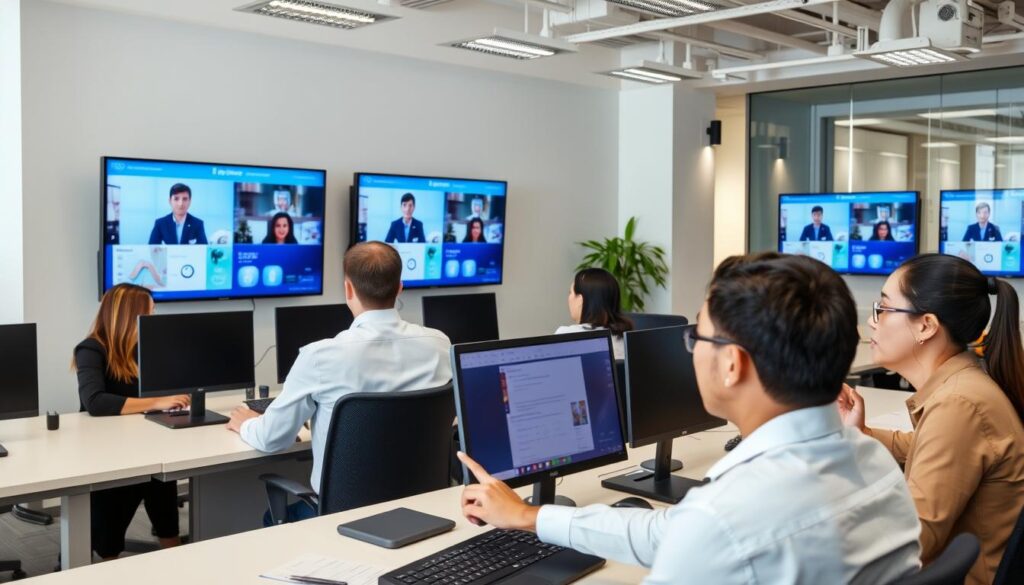
Healthcare and Education IPTV Platforms
Healthcare and education IPTV platforms are specialized solutions designed to meet the unique needs of these industries. In healthcare, IPTV is used to improve patient experience through entertainment options and critical information delivery. In education, IPTV facilitates distance learning, streaming lectures to multiple classrooms or directly to student devices.
- Healthcare IPTV platforms improve patient experience and support patient education.
- Educational IPTV solutions facilitate distance learning and create searchable video libraries.
- Both healthcare and education IPTV platforms often include emergency override capabilities.
Essential Features to Look for in an IPTV Solution
When selecting an IPTV solution, it’s crucial to consider several key features that will impact your user experience and overall satisfaction. An effective IPTV solution should offer a comprehensive set of features that cater to your specific needs, whether you’re a hotel looking to enhance guest experience or a business seeking to provide high-quality content to your employees.
Content Management Capabilities
A robust content management system is vital for any IPTV solution. This feature allows you to easily manage, update, and customize your content across various channels and devices. Look for a solution that provides a user-friendly interface for content organization and supports multiple content formats. For instance, you can explore options like IPTV services that offer comprehensive content management capabilities.
User Interface and Experience Design
The user interface and experience design play a significant role in the overall adoption and satisfaction of your IPTV solution. A well-designed interface should be intuitive, visually appealing, and accessible across different devices. Consider a solution that offers customizable UI options to align with your brand identity. An engaging user experience can be achieved through features like personalized recommendations and easy navigation.

Integration with Existing Systems
Seamless integration with your existing systems is critical for maximizing the benefits of your IPTV solution. Look for a service that supports integration with popular platforms and systems, such as hotel property management systems or corporate software. This ensures a cohesive and efficient operation, reducing the need for manual data entry and minimizing potential errors.
Scalability and Customization Options
Scalability is essential for future-proofing your IPTV investment. Opt for a non-limit scalable solution that can grow alongside your organization without requiring a complete replacement. Consider platforms that offer modular architectures, multi-site capabilities, and customization options, including branded user interfaces and tailored content packages. A flexible IPTV solution should also support various deployment models, including on-premises, cloud-based, or hybrid approaches, to match your specific technical and security needs.
Cloud-Based vs. On-Premises IPTV Solutions
The debate between cloud-based and on-premises IPTV solutions centers on flexibility, scalability, and control – factors that are crucial for businesses. Both approaches have their advantages and disadvantages, which are discussed below.
Advantages of Cloud-Based IPTV Systems
Cloud-based IPTV systems offer several benefits, including reduced infrastructure costs, scalability, and enhanced availability. By leveraging cloud services, organizations can ensure that their IPTV solution is always up-to-date and accessible from anywhere.
Benefits of On-Premises Deployment
On-premises IPTV deployments provide organizations with greater control over their infrastructure and content. This approach is particularly beneficial for businesses with specific security requirements or those that need to ensure network reliability.
Hybrid Approaches for Maximum Flexibility
Hybrid IPTV approaches combine the strengths of both cloud and on-premises deployments. Key benefits include:
- Enhanced business continuity through redundant systems
- Flexibility in scaling different system components
- Optimized bandwidth usage through local caching and cloud streaming
- Improved disaster recovery and business continuity planning
By understanding the advantages of each approach, organizations can make informed decisions about their IPTV solutions, ensuring that they meet their specific needs and enhance their streaming experience.
Top IPTV Solution Providers in the Market
As the demand for IPTV solutions grows, several key players have emerged to meet this demand. These providers offer a range of services and solutions tailored to different industries, from hospitality to corporate and education.
ZAFIRO TV: Comprehensive Hospitality IPTV

ZAFIRO TV is a leading provider of hospitality IPTV solutions, offering a comprehensive platform that enhances the guest experience in hotels. Their solution includes a wide range of channels and on-demand content, ensuring that guests have access to their favorite entertainment options. With a user-friendly interface and robust support, ZAFIRO TV is a top choice for hotels looking to upgrade their in-room entertainment.
VITEC: Multi-Industry IPTV Solutions

VITEC offers IPTV solutions that cater to a variety of industries, including corporate, education, and healthcare. Their technology ensures high-quality, low-latency HD video streaming to any device, making it ideal for live events, corporate communications, and educational content. VITEC’s solutions are designed to be scalable and customizable, meeting the specific needs of each industry.
Other Notable IPTV Providers
Other notable IPTV providers include Amino Communications, known for their versatile IPTV set-top boxes; Mediastar Systems, which specializes in IPTV solutions for education; and Tripleplay, offering integrated IPTV and digital signage platforms. For more information on IPTV services and reviews, you can visit this article for the latest insights.
Interactive Features That Enhance the IPTV Experience
Interactive features play a crucial role in elevating the IPTV experience for users. These features not only make the service more engaging but also provide a personalized experience that caters to individual preferences.
Personalization and User Profiles
IPTV solutions offer personalization through user profiles, allowing guests to access their favorite channels and content. This feature is particularly beneficial in hotel settings, where it enhances the overall experience for visitors.
On-Demand Content and Streaming Options
The availability of on-demand content is a significant advantage of IPTV systems. Users can access a wide range of movies, TV shows, and other media at their convenience. For more information on setting up IPTV on various devices, you can refer to guides like the one on setting up IPTV on Windows.

Digital Signage and Information Display
IPTV systems can also be used for digital signage, providing support for hotels and other establishments to promote services and display important information. This feature can be particularly useful in public areas, enhancing the overall ambiance and providing valuable information to visitors.
Mobile Integration and Control
One of the key interactive features of modern IPTV solutions is mobile integration. Users can control their IPTV experience using a mobile app, which allows for remote control functionality, content casting, and more. For instance, some systems enable users to use their mobile device as a TV remote control, complete with volume control and channel navigation. To see this in action, check out IPTV solutions in action.
- Mobile integration creates seamless connections between IPTV systems and personal devices.
- Advanced mobile apps provide full control over the IPTV experience.
- Second-screen capabilities allow complementary content to appear on mobile devices.
By incorporating these interactive features, IPTV solutions can significantly enhance the viewing experience, making it more personalized and engaging for users.
Implementation Considerations for IPTV Solutions
When implementing an IPTV solution, several key factors must be considered to ensure a smooth and effective deployment. A well-planned implementation can significantly enhance the user experience and overall satisfaction with the IPTV service.
Network Infrastructure Requirements
A robust and reliable network infrastructure is crucial for delivering high-quality IPTV services. Your existing network should be assessed to ensure it can support the bandwidth demands of IPTV streaming. This includes evaluating your Ethernet, Wi-Fi, or GPON network infrastructures to determine if they meet the necessary requirements for a seamless IPTV experience. For instance, ZAFIRO IPTV is designed to adapt to existing coaxial, Ethernet, Wi-Fi, or GPON network infrastructures, making it compatible with most hotel setups.

Hardware Compatibility and Specifications
Ensuring that your hardware is compatible with the IPTV solution is vital. This includes checking that your televisions meet the minimum technical requirements and are in hotel mode. ZAFIRO IPTV, for example, is compatible with existing televisions, provided they meet these specifications, eliminating the need for costly hardware replacements.
Installation and Deployment Process
The installation and deployment process can vary depending on the IPTV solution chosen. ZAFIRO IPTV offers flexibility by allowing deployment either locally or in the cloud. Their technical team analyzes each case to provide a tailored solution with minimal operational impact, often eliminating the need for complex installation procedures.
Training and Support Services
Comprehensive training programs are essential for ensuring that staff can effectively manage and leverage the full capabilities of your IPTV solution. This includes administrator training on content management, user account administration, and basic troubleshooting procedures. For hotel environments, front-desk staff require specific training on explaining IPTV features to guests and addressing common questions or issues. Ongoing support services, including remote support capabilities and regular maintenance, are also crucial for a smooth operation. You can find more information on the differences between consumer and hotel IPTV solutions here.
Cost Analysis: Budgeting for Your IPTV Solution
When considering an IPTV solution, understanding the cost implications is crucial for making an informed decision. The total cost of ownership involves various components that need to be evaluated to ensure alignment with your budget and business objectives.
Initial Investment and Setup Costs
The initial investment for an IPTV solution includes hardware costs, such as set-top boxes or streaming devices, and potentially, infrastructure upgrades to support the required bandwidth. Installation and configuration expenses should also be factored in, as these can vary depending on the complexity of the setup and the service provider’s fees. For instance, a hotel IPTV system might require additional hardware for in-room entertainment, impacting the initial cost.
Ongoing Maintenance and Subscription Fees
Ongoing costs include subscription fees for content and services, as well as maintenance and support expenses. These can be broken down into:
- Content licensing fees for on-demand content and entertainment
- Software updates and maintenance costs
- Customer support and technical assistance
- Potential bandwidth and infrastructure upgrade costs
Regularly reviewing these expenses is crucial to ensure they remain aligned with your budget and business needs.
Return on Investment Considerations
Evaluating the return on investment (ROI) for an IPTV solution involves considering several factors, including:
- Revenue generation potential through premium content sales and promotional advertising
- Operational efficiency improvements through centralized content management
- Enhanced customer experience leading to increased satisfaction and loyalty
- Staff productivity benefits from streamlined communication
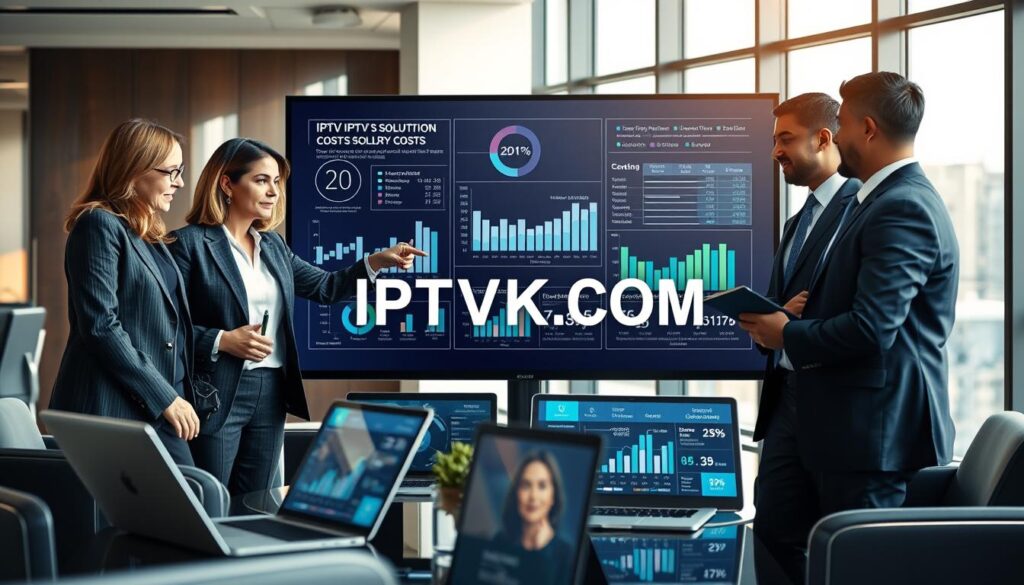
By carefully analyzing these aspects, you can determine the overall value of your IPTV solution and make informed decisions about its implementation and ongoing management.
Conclusion: Choosing the Right IPTV Solution for Your Needs
Choosing the ideal IPTV solution requires a thorough understanding of your technical environment and business goals. To make an informed decision, start by defining your primary objectives, whether they’re focused on enhancing guest experience, improving internal communications, or creating new revenue streams.
Consider your existing infrastructure and the level of integration required with other business systems. Evaluate potential IPTV providers based on their industry experience and track record with similar organizations. Request detailed demonstrations that showcase specific features relevant to your use cases.
Assess the total cost of ownership, including ongoing licensing, content fees, and maintenance. Remember that the most feature-rich solution isn’t necessarily the best fit—prioritize systems that excel in the functions most critical to your organization’s goals. For more insights on IPTV services and their competitors, you can visit IPTV competitor analysis.