
The way we consume television has undergone a significant transformation. Gone are the days of bulky cable boxes and expensive satellite packages. Millions of viewers have made the switch to IPTV, or Internet Protocol Television, revolutionizing the way we watch our favorite shows and movies.
With IPTV, you can stream TV channels, movies, and shows on demand directly from the internet. This shift has brought about numerous benefits, including additional choices, better quality, and lower prices. As we explore the world of IPTV, you’ll discover how it delivers television content over internet protocols, eliminating the need for physical decoders or antennas.
By understanding the key differences between traditional cable services and modern IPTV options, you’ll be able to make an informed decision about your entertainment needs.
Key Takeaways
- IPTV offers a wider range of channels and on-demand content compared to traditional cable services.
- Streaming quality options vary from standard definition to 4K UHD, providing a better viewing experience.
- IPTV services are often more cost-effective than traditional cable TV packages.
- You can access global programming with IPTV, which is not typically available with traditional cable.
- IPTV eliminates the need for physical decoders or antennas, making it a more convenient option.
Understanding Cable TV IPTV
IPTV, or Internet Protocol Television, is revolutionizing how we consume television content. By delivering TV programs and videos through internet protocols, IPTV offers a more flexible and interactive viewing experience compared to traditional cable or satellite TV.
What Is IPTV and How Does It Work?
IPTV is a method of delivering television content through internet protocols instead of traditional broadcast methods. It enables users to watch live broadcasts, stream video-on-demand (VoD), and access time-shifted programming from any internet-connected device. The key components of IPTV include content sources, encoding systems, middleware, and set-top boxes or apps that decode the signals for viewing. For a comprehensive guide on IPTV services, you can check out IPTV Hub Review.
The Evolution from Traditional Cable to IPTV
The shift from traditional cable to IPTV represents a significant technological advancement. Traditional cable TV relies on dedicated coaxial cables to deliver a fixed set of channels, whereas IPTV leverages existing internet infrastructure to offer potentially unlimited content options. IPTV services convert television content into compressed data that can be streamed on-demand or in real-time, allowing for a more personalized viewing experience. With the increase in internet speeds, IPTV has become a viable alternative to traditional cable, offering features like multi-device viewing and cloud DVR capabilities.
As streaming technology continues to improve, IPTV services are becoming more popular, providing users with greater flexibility and control over their viewing experience. The ability to access a wide range of channels and content on-demand is a significant advantage of IPTV over traditional cable TV.
Why People Are Switching from Cable to IPTV
The shift from traditional cable TV to IPTV services is gaining momentum, driven by several key advantages. As we explore the reasons behind this trend, it becomes clear that IPTV offers a more flexible, cost-effective, and feature-rich alternative to conventional cable television.
Cost Benefits of IPTV Services
One of the primary reasons people are switching to IPTV is the significant cost savings. IPTV subscriptions typically cost a fraction of the price of standard cable service, offering thousands of channels without the hefty price tag. By eliminating equipment rental fees, installation charges, and bait-and-switch pricing tactics common with cable providers, IPTV services provide a more economical solution for television entertainment.
Content Variety and Global Access
IPTV services excel in terms of content variety and global access. Subscribers can enjoy international channels, niche programming, and regional networks that would be impossible or prohibitively expensive through traditional cable packages. With IPTV, you can watch live TV from anywhere around the world, breaking down geographical restrictions that have traditionally limited viewing options. This global access feature is particularly appealing to those who want to stay connected to their cultural heritage or follow international sports and events.
Flexibility and Multi-Device Support
The flexibility offered by IPTV services is another significant factor driving the switch from cable. IPTV can be utilized on a range of devices, including Smart TVs, Android devices, Firestick, computers, and smartphones. This multi-device flexibility enables seamless viewing across different platforms, allowing users to start watching on one device and continue on another. The ability to access content on-demand rather than according to a fixed broadcast schedule represents a fundamental shift in viewing habits that better aligns with modern lifestyles.
In conclusion, the switch from cable to IPTV is driven by the cost benefits, content variety, global access, and flexibility offered by IPTV services. As consumers continue to seek more personalized and affordable television solutions, the popularity of IPTV is likely to grow.
Types of IPTV Services Explained
IPTV services have revolutionized the way we consume television, offering various options to suit different viewing preferences. As you explore IPTV, you’ll discover several service types designed to cater to diverse viewer needs.
Live TV Streaming
Live TV Streaming services deliver television broadcasts in real-time over the internet, similar to traditional cable but with added flexibility. You can watch live channels from anywhere, as long as you have internet access, and often pause or rewind live broadcasts. Major providers like Hulu + Live TV, YouTube TV, and Sling TV offer packages of live channels that closely resemble traditional cable bundles.

Video on Demand (VOD)
Video on Demand (VOD) services allow you to select and watch content whenever you want from vast libraries of movies and TV shows. Services like Netflix, Amazon Prime Video, and Disney+ provide on-demand access to a wide range of content, breaking free from scheduled programming.
Time-Shifted Media
Time-Shifted Media, also known as catch-up TV, bridges the gap between live broadcasting and VOD. It allows viewers to watch recently aired programs for a limited time after their original broadcast date. Services like BBC iPlayer typically offer content for 7-30 days after the original air date.
Near Video on Demand (NVOD)
Near Video on Demand (NVOD) represents a hybrid approach where the same content starts at staggered intervals, allowing viewers to join at multiple start times throughout the day. This service type is particularly useful for popular content like new movie releases.
Understanding these different IPTV service types helps you choose the best option for your viewing habits, whether you prioritize live events, on-demand flexibility, or access to recently aired content.
Top Cable TV IPTV Services in 2023
In 2023, the best IPTV services are redefining the way we consume television and entertainment content. With numerous options available, choosing the right IPTV service can be challenging. Here’s a breakdown of the top IPTV providers, categorized into premium and budget-friendly options.
Premium IPTV Providers
Premium IPTV providers offer high-quality streams, extensive content libraries, and excellent customer support. Here are some of the top premium IPTV services:
EagleCast TV
EagleCast TV is renowned for its exceptional quality streams and comprehensive sports coverage, making it a top choice for USA and Canada-based viewers. It offers a full collection of North American channels, global sports events, and on-demand movies and series in Full HD.
TiVistation
TiVistation stands out with its elite sports packages, including PPV events, and seamless compatibility across all devices. It also offers 24/7 live customer assistance and a 7-day money-back guarantee.
OTTOcean
OTTOcean offers versatile subscription packages that cater to different needs and budgets. It includes live TV channels, sports channels, movies, series, and adult content options.
IPTVtune
IPTVtune is known for its reliability and high-quality streaming, boasting over 10,000 TV channels, including 200+ premium sports channels.
Majestic IPTV
Majestic IPTV provides access to over 16,000 live TV channels and an extensive VOD library of 54,000 movies and 10,000 series in multiple languages, making it ideal for multilingual households.
Budget-Friendly IPTV Options
For those on a budget, there are several IPTV services that offer great value without compromising on quality. Here are some of the top budget-friendly IPTV options:
Tellystudio
Tellystudio offers an impressive balance of quality and affordability, with universal device access at lower subscription rates.
Trendyscreen
Trendyscreen caters to sports fans on a budget, providing elite sports and PPV selection without the premium price tag.
Worthystream
Worthystream has gained popularity with its 99.9% uptime servers and extensive library of 15,000+ channels and 40,000+ VOD titles.
Bunnystream
Bunnystream stands out with its comprehensive package of exclusive live TV channels, VOD series, and dedicated sports coverage, backed by 24/7 customer support.
IPTV Trends
IPTV Trends rounds out our top budget picks with its impressive stability and massive content library featuring 19,000+ live channels and 60,000+ on-demand titles.
How to Choose the Right IPTV Service for Your Needs
With numerous IPTV services available, selecting the right one requires careful consideration of several key factors. The best IPTV service for you will depend on your specific viewing preferences, the channels and content you want, and the devices you use to stream your content.
Assessing Your Viewing Preferences
Begin by honestly assessing your viewing preferences. Are you primarily interested in live sports, international programming, movie libraries, or specific network content? For instance, sports enthusiasts should prioritize services with comprehensive sports packages, including regional sports networks and international leagues. Services like ESPN and Sky Sports are often must-haves for sports fans.
Evaluating Channel Selection and Content Libraries
When evaluating channel selection, look beyond just the total number of channels. A service with 10,000 channels that includes all your must-have networks is often better than one with 15,000 channels but lacks your preferred content. For movie and series buffs, evaluate the depth and freshness of the VOD library. Check whether services offer the latest releases and categories that match your genre preferences.
Considering Streaming Quality and Reliability
Streaming quality is crucial for an enjoyable viewing experience. Look for providers that advertise 99.9% uptime and use high-end server technology. The best IPTV services will offer free trials so you can test the high-quality IPTV stream on your own internet connection before paying. Consider the resolution options available, such as SD, HD, and 4K, to ensure they meet your viewing needs.
Checking Device Compatibility
Device compatibility is essential to ensure that the IPTV service works seamlessly with your existing hardware ecosystem. Check if the service supports your devices, whether they are Smart TVs, streaming devices like Firestick or Roku, or mobile devices. The most flexible services support a wide range of devices, including Android TV, iOS, and Windows/Mac computers.
By carefully assessing your viewing preferences, evaluating channel selection and content libraries, considering streaming quality and reliability, and checking device compatibility, you can choose the best IPTV service for your needs. Take advantage of free trials to test real-world performance before committing to longer subscription terms.
Essential Features to Look for in IPTV Services
With so many IPTV services available, identifying the essential features that matter most is crucial for making an informed decision. When evaluating an IPTV service, several key factors can significantly impact your viewing experience.
Channel Variety and Premium Content
A robust IPTV service should offer a diverse range of channels, including local, regional, and international networks. Top providers boast over 10,000 channels, including premium content like sports packages and exclusive movie channels. For instance, sports enthusiasts can enjoy dedicated sports packages with PPV events and 24/7 sports channels, making it a perfect choice for those who never want to miss a game.
Video Quality Options
Video quality is another critical aspect, with the best services offering adaptive streaming in multiple quality settings (SD, HD, Full HD, 4K). This ensures that your content is delivered smoothly, regardless of your internet speed or device capabilities. Look for providers that support high-definition streaming up to 4K and even 8K for the ultimate viewing experience.
On-Demand Libraries and Catch-Up TV
A comprehensive on-demand library is essential for accessing the latest movies and TV series. The best IPTV services provide well-organized libraries with new content added daily. Additionally, catch-up TV functionality allows you to watch recently aired content, bridging the gap between traditional TV and on-demand viewing.
User Interface and Experience
The user interface significantly impacts your daily satisfaction with the IPTV service. Opt for services with clean, intuitive layouts that include customization options, favorites lists, and seamless search functions across both live and on-demand content. An Electronic Program Guide (EPG) with accurate, up-to-date information is also crucial for navigating through thousands of channels efficiently.
For more insights on finding the best IPTV service, you can refer to The Ultimate Guide to Finding the Best IPTV. When choosing an IPTV service, consider the features that matter most to you, ensuring a superior viewing experience.
Understanding IPTV Pricing and Subscription Models
To make an informed decision about IPTV services, it’s crucial to comprehend the different pricing and subscription models available. IPTV providers offer various plans designed to cater to different viewer needs and budgets.
Monthly vs. Annual Subscription Options
IPTV services typically offer flexible subscription plans, including monthly and annual options. Monthly plans range from $10 to $20, providing flexibility but at a premium. In contrast, annual subscriptions, priced between $80 and $150, offer the best value for committed users. You can check more about IPTV services on WhistleOut.
| Subscription Length | Average Price Range | What to Expect |
|---|---|---|
| 1 Month | $10 – $20 | Good for testing. Slightly higher monthly cost. |
| 3 Months | $30 – $50 | Better value. Common choice for many users. |
| 6 Months | $50 – $80 | Great savings. Shows provider confidence. |
| 1 Year | $80 – $150 | Best long-term value. Ideal for a stable IPTV subscription. |
What Determines IPTV Service Pricing
Several factors influence IPTV service pricing, including the size of the content library, streaming quality options, the number of simultaneous connections allowed, and additional features like DVR functionality. Premium IPTV providers charge more due to their superior reliability, exclusive content, and better customer support. For more insights on finding the right IPTV codes, visit Solid IPTV Store.
- Content library size and variety
- Streaming quality (HD, 4K, etc.)
- Number of simultaneous connections
- DVR and other additional features
Free Trials and Money-Back Guarantees
Reputable IPTV providers often offer free trials, typically lasting 24-72 hours, allowing you to test their services. Additionally, many providers offer money-back guarantees ranging from 7 to 30 days, giving you time to thoroughly evaluate the service under real-world conditions.

When choosing an IPTV service, consider not just the price, but also the value it offers. Be wary of services that seem too good to be true, as they may compromise on reliability or customer support. Legitimate providers offer secure payment gateways and transparent pricing models.
Setting Up Your IPTV Service: Devices and Requirements
Getting started with IPTV involves choosing the correct devices and meeting specific internet requirements. To ensure a seamless viewing experience, you’ll need to consider both your internet connection and the devices you’ll use to access your IPTV service.
Internet Connection Requirements
Your internet connection is the backbone of your IPTV experience. For stable HD streaming, a minimum speed of 25 Mbps is recommended, while 4K streaming requires at least 50 Mbps. It’s also crucial to have a stable connection; wired Ethernet connections are preferred over Wi-Fi for primary viewing devices due to their reliability.
Compatible Streaming Devices
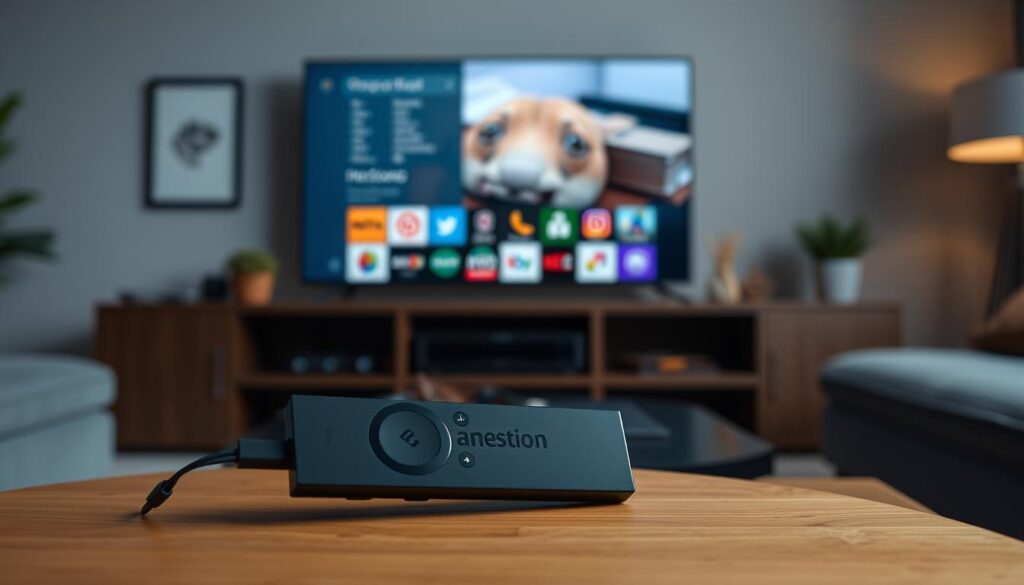
The device ecosystem for IPTV has expanded significantly, offering various options for streaming. Dedicated devices like Amazon Firestick, Roku, Apple TV, and NVIDIA Shield provide optimized viewing experiences through their support for specialized IPTV apps. Android-based devices are particularly versatile, supporting multiple player applications.
Smart TVs and IPTV Apps
Many Smart TVs, especially those running Android TV OS, can access IPTV services directly without additional hardware. However, dedicated streaming devices often offer more features. IPTV apps vary in quality, with premium options like TiviMate offering advanced features such as EPG integration and multi-screen viewing.
Using VPNs with IPTV Services
Using a VPN with your IPTV service can enhance your viewing experience by preventing ISP throttling and protecting your privacy. When selecting a VPN, prioritize services with high-speed servers and unlimited bandwidth. For more detailed guidance on setting up your IPTV service, you can refer to our step-by-step guide.

Troubleshooting Common IPTV Issues
Troubleshooting IPTV issues is crucial for a seamless viewing experience, and understanding the causes can help you find the right solutions. IPTV services can sometimes be plagued by issues such as buffering, connection errors, and poor stream quality. However, by knowing how to address these problems, you can enjoy uninterrupted streaming.
Dealing with Buffering Problems
Buffering is often caused by insufficient internet bandwidth, a weak Wi-Fi signal, an underpowered device, or an overloaded IPTV provider’s server. To resolve buffering issues, start by checking your internet speed and consider switching to a wired Ethernet connection for better stability. If the problem persists, try using a different device or test different channels to determine if the issue is content-specific or system-wide.
Resolving Connection Errors
Connection errors can manifest as “playlist not loading” or “stream unavailable” messages, often due to expired subscriptions, server maintenance, or incorrect login credentials. To troubleshoot, first verify your subscription status and check for any service announcements about maintenance. You can also try alternative DNS settings or access the service through a VPN if you suspect ISP interference.
Improving Stream Quality
Stream quality issues, such as pixelation or audio sync problems, can often be resolved by adjusting settings within your IPTV app. Look for options like buffer size adjustments, hardware acceleration toggles, and manual resolution selection to improve your viewing experience. For persistent issues, contact your IPTV service provider’s customer support for assistance.
By following these troubleshooting steps, you can significantly enhance your IPTV streaming experience. For more complex issues, consider reaching out to your provider’s customer support for personalized help.
Conclusion: Making the Switch to IPTV
As we navigate the evolving landscape of home entertainment, IPTV services stand out as a game-changer. The transition from traditional cable TV to IPTV represents a significant shift, offering unprecedented content access, flexibility, and value.
When selecting the best IPTV service, prioritize providers that offer free trials, transparent pricing, and comprehensive device compatibility. For most households, combining a quality IPTV service with mainstream streaming subscriptions can replace traditional cable while reducing monthly expenses.
Take the knowledge you’ve gained from this guide, assess your viewing preferences, and make the switch to an IPTV service that transforms your television experience. With the right IPTV provider, you’ll enjoy thousands of channels, extensive on-demand libraries, and multi-device viewing capabilities, all at a fraction of the cost of conventional cable packages.