
IPTV, or Internet Protocol Television, has revolutionized the way we consume media, offering a flexible alternative to traditional cable TV with a wide range of content options. Before purchasing an IPTV service, it’s crucial to understand the technology, legal landscape, and technical requirements.
IPTV services provide access to thousands of channels, movies, and series with various quality options, including SD, HD, and 4K, through dedicated servers. These services are compatible with a range of devices, including smart TVs, Android boxes, laptops, and mobile devices, requiring a stable internet connection with a minimum speed of 4 Mbps for smooth playback.
Key Takeaways
- Understand the technology behind IPTV and its benefits
- Know the legal landscape and how to identify reputable providers
- Check device compatibility and internet requirements
- Explore content libraries and video quality options
- Review pricing structures and plans
What is IPTV and How Does It Work?
IPTV, or Internet Protocol Television, revolutionizes how we consume television content by delivering it over internet protocols. This technology allows for more interactive features and on-demand viewing, making it a flexible alternative to traditional broadcasting methods. You can enjoy live TV, catch-up TV, and video on demand (VOD) through IPTV services, all streamed directly to your device via your internet connection.
The Technology Behind IPTV
The technology behind IPTV uses a packet-based delivery system, streaming media content directly to your device. This method allows for efficient bandwidth use by sending only the channel you request. IPTV works with your existing internet connection and compatible devices, offering greater flexibility and potentially lower costs compared to traditional cable TV.
Differences Between IPTV and Traditional Cable TV
Unlike traditional cable TV, which broadcasts all channels simultaneously, IPTV sends only the channel you request. This makes IPTV more efficient in terms of bandwidth usage. Additionally, IPTV services typically offer three main types of content: live TV, time-shifted media (catch-up TV), and video on demand (VOD), providing a more personalized viewing experience.
Benefits of Using IPTV Services
IPTV services are revolutionizing the way we consume media, offering unparalleled access to global content. With thousands of channels at your fingertips, you can enjoy a diverse range of فیلم and سریال from around the world.
Access to Global Content Libraries
One of the standout features of IPTV is its ability to provide access to vast کانال های and content libraries. You can explore international محتوای that goes beyond what’s available through traditional local cable providers.

On-Demand Viewing Flexibility
IPTV services offer the flexibility to watch what you want, when you want. With on-demand پخش, you can enjoy your favorite فیلم or سریال at your convenience, making it easier to fit viewing into your busy schedule. This level of flexibility enhances your viewing experience, allowing you to truly enjoy your favorite content.
By choosing IPTV, you’re not just getting a TV service; you’re gaining a personalized viewing experience that lets you تماشای your preferred content on various devices, including your TV, mobile, or tablet.
Legal Considerations When Buying IPTV
As you explore IPTV options, understanding the legal landscape is essential for a safe and enjoyable viewing experience. When you خرید IPTV services, you need to ensure that you’re complying with legal standards to avoid potential risks.
Understanding Copyright Laws
Copyright laws determine what constitutes legal content distribution for IPTV services. Legal IPTV providers obtain proper licensing agreements with content creators and distributors, allowing them to legally redistribute that content to subscribers. This means that when you تماشای content through a legitimate IPTV service, you’re supporting the creators and adhering to داشته باشید legal requirements.
How to Identify Legal IPTV Providers
To identify legal IPTV providers, look for services that have professional websites, transparent business information, and clear terms of service. Legitimate providers typically don’t advertise “unlimited channels” at suspiciously low prices. When you ارائه your personal and payment information, ensure that the provider has robust security measures in place. Always research the legitimacy of an IPTV provider before subscribing, checking for proper licensing and reviews from verified customers.

Essential Features to Look for in IPTV Services
The right IPTV service can offer a rich viewing experience, but you need to know what to look for. When evaluating IPTV services, several key features stand out as particularly important.
Channel Selection and Content Variety
A diverse channel lineup is crucial. Look for services offering a wide range of international channels, local networks, sports packages, and specialized content that matches your viewing preferences. Quality IPTV services typically offer between 10,000 to 100,000 channels.
Video Quality Options (SD, HD, 4K)
Video quality is another vital aspect. Opt for services that provide SD, HD, and 4K/UHD streams to accommodate different devices and internet speeds. The ability to adjust quality settings is also essential for a smooth viewing experience.
Customer Support Availability
Reliable customer support is essential for resolving any issues promptly. Prioritize providers offering 24/7 assistance through multiple channels (chat, email, phone) with quick response times and knowledgeable representatives.
For more information on finding the best IPTV services, you can visit our guide on how to find the best paid IPTV services for. Additional features to consider include an Electronic Program Guide (EPG) for easy navigation, multi-screen capabilities for simultaneous streaming on multiple devices, and catch-up/replay features to watch missed programs.
Device Compatibility for IPTV Subscriptions
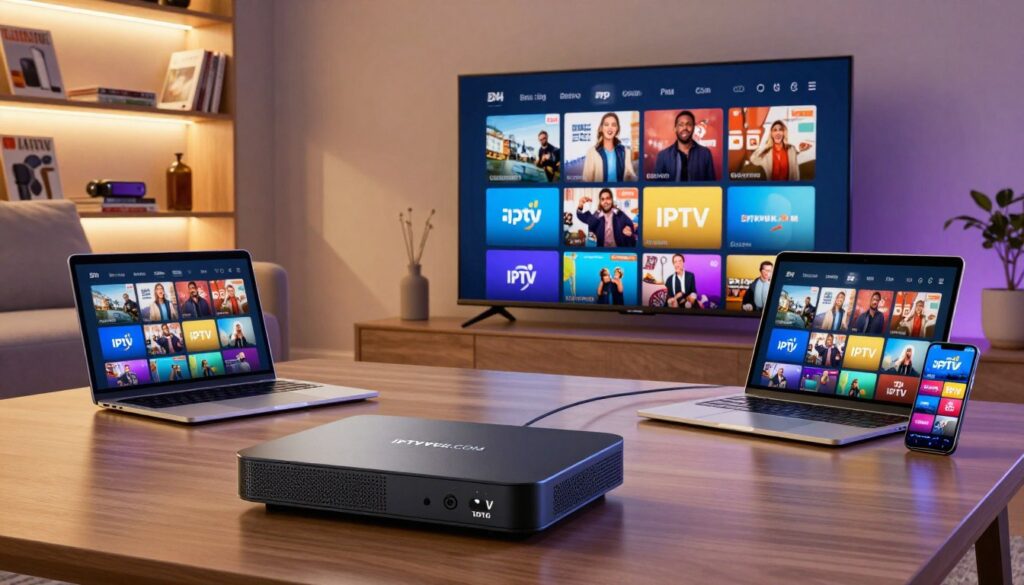
To ensure a seamless IPTV experience, device compatibility is a key factor to consider. IPTV services are designed to be versatile, supporting a range of devices to cater to different viewing preferences.
Smart TVs and Android Boxes
Smart TVs, especially those running Android TV OS, provide a straightforward IPTV experience with just an app download and login. Android TV boxes like Amazon Fire Stick and Nvidia Shield are also popular for their optimized performance.
Mobile Devices and Tablets
For on-the-go viewing, mobile compatibility is essential. Look for IPTV services with dedicated apps for iOS and Android that offer full functionality.
Computers and Streaming Devices
Computer access through web browsers or dedicated applications adds flexibility. You can watch on laptops and desktops, ideal for travel or office viewing. Check the number of simultaneous connections allowed by the service.
| Device Type | Compatibility Features |
|---|---|
| Smart TVs | Android TV OS, app download |
| Android Boxes | Amazon Fire Stick, Nvidia Shield |
| Mobile Devices | iOS and Android apps |
| Computers | Web browsers, dedicated apps |
For more information on IPTV devices, you can explore options like American IPTV boxes that offer enhanced viewing experiences.
Internet Requirements for Optimal IPTV Performance
A stable and fast internet connection is crucial for optimal IPTV performance. Your internet speed and quality directly impact the viewing experience.
Minimum Bandwidth Needs
IPTV services require a minimum internet speed of 4-8 Mbps for standard definition. However, for higher quality content like HD and 4K, you’ll need faster connections – typically 10-15 Mbps for HD and 25+ Mbps for 4K streaming without buffering. Check here for more details on IPTV requirements.
Connection Stability Considerations
While speed is important, connection stability is often more critical. A consistent 10 Mbps connection will generally provide a better viewing experience than a fluctuating 50 Mbps connection. Consider using a wired ethernet connection for better stability, especially for HD and 4K content. For more information on optimizing your IPTV experience, visit this resource on VPNs for IPTV.
How to Buy IPTV Subscriptions Safely
To ensure a secure IPTV purchase, follow these essential steps. When buying an IPTV subscription, it’s crucial to prioritize safety and security.
Researching Reputable Providers
Start by researching providers with an established online presence, positive reviews, and transparent business information. Look for providers that offer 24/7 customer support to address any issues promptly.
Payment Security Measures
Ensure that the IPTV provider offers secure payment options, such as credit cards with fraud protection, PayPal, or cryptocurrency for added privacy. Be cautious of services that only accept non-reversible payment methods.
Trial Options Before Committing
Reputable IPTV services typically offer 24-48 hour test accounts to evaluate channel selection, stream quality, and overall reliability before committing to a purchase. This trial period helps you assess whether the service meets your needs.
When purchasing an IPTV subscription online, consider providers that offer a secure online sign-up process and instant account delivery after payment. Always review the provider’s refund and support policies before buying.
IPTV Subscription Pricing Guide
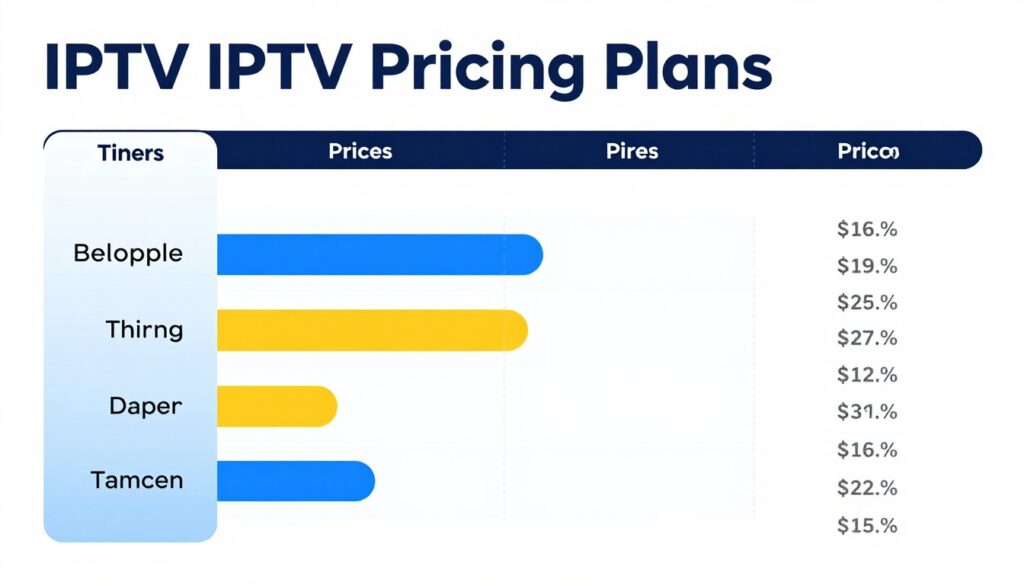
When considering an IPTV service, understanding the pricing structure is essential for budgeting and selecting the right plan. IPTV subscription pricing varies based on several factors, including the length of your subscription and the features included in your plan.
Monthly vs. Annual Plans
IPTV services often offer different subscription lengths, including monthly, quarterly, semi-annual, and annual plans. Monthly plans provide flexibility but typically come at a higher per-month cost compared to longer-term commitments. For instance, a 1-month subscription can cost between 400,000 to 500,000 toman, while a 12-month subscription can range from 2,000,000 to 2,500,000 toman.
What Determines IPTV Service Costs
Several factors influence IPTV service costs, including the size of the content library, video quality options (SD, HD, 4K), the number of simultaneous connections allowed, and additional features like EPG or recording capabilities. Premium sports packages and international channel bundles often incur extra costs. Understanding what’s included in your base subscription is crucial.
Key considerations when evaluating IPTV pricing include:
– Tiered pricing structures with discounts for longer commitments
– Additional costs for premium content or features
– The total cost of ownership, including necessary hardware
– Pricing extremes that may indicate oversold servers or disproportionately expensive services
– Promotions and discounts for new customers or during holidays
Setting Up Your IPTV Service
Once you’ve purchased your IPTV subscription, the next step is to set it up on your preferred device. The setup process typically involves a few simple steps, and most IPTV providers offer detailed guides to help you through the process.
Installation on Different Devices
IPTV services can be installed on various devices, including smart TVs, Android boxes, mobile devices, and computers. The installation process varies depending on the device type. For example, you may need to sideload apps on smart TVs that are not available in the official app store. You can find more information on setting up IPTV on specific devices, such as Windows, by visiting this guide. Typically, you’ll need to download a compatible IPTV player app, such as IPTV Smarters or TiviMate, and then enter your provided credentials or M3U URL/playlist.

Troubleshooting Common Setup Issues
While setting up your IPTV service, you may encounter some common issues, such as incorrect server URLs, expired credentials, or incompatible apps. Most of these issues can be resolved through basic troubleshooting. It’s also a good idea to use a VPN during setup and viewing for additional security and privacy. After initial setup, regularly check for app updates and keep your subscription credentials secure. For more detailed announcements and updates, you can visit this page.
By following these steps and tips, you can enjoy a seamless IPTV viewing experience on your device of choice.
Conclusion: Making an Informed IPTV Purchase Decision
Selecting the ideal IPTV service involves balancing content selection, technical requirements, and pricing. To make an informed decision, prioritize legal providers that obtain proper content licensing, ensuring service stability and protecting you from potential legal issues.
Consider starting with a shorter subscription term to evaluate the service quality in real-world conditions. Your viewing experience depends on both the IPTV service quality and your own technical setup, including stable internet with sufficient speed. With the right research and preparation, IPTV can provide a cost-effective, flexible alternative to traditional cable television.