
The way we consume television content is changing. Traditional cable services are being replaced by more flexible and personalized options. IPTV (Internet Protocol Television) is revolutionizing the way we watch our favorite shows and movies by offering a more tailored entertainment experience.
With IPTV, you have more control over the channels you subscribe to and when you watch them. This service provides a comprehensive guide to understanding IPTV, from its benefits to setting it up on your device. For those interested in exploring the best IPTV options, visiting top IPTV providers can be a great starting point.
By the end of this guide, you’ll be well-equipped to start watching IPTV and enjoying a more personalized viewing experience.
Key Takeaways
- Understand the basics of IPTV and its advantages over traditional TV.
- Learn how to choose the right IPTV provider for your needs.
- Discover the different types of IPTV services available.
- Get insights into setting up IPTV on various devices.
- Explore troubleshooting tips for common IPTV issues.
What Is IPTV and How Does It Work?
IPTV, or Internet Protocol Television, is revolutionizing the way we consume television content. These services offer you a way to watch live TV and on-demand content via the internet without a traditional cable or satellite contract.
Understanding IPTV Technology
IPTV delivers television content over internet protocols rather than through traditional satellite or cable formats. This technology works by breaking down video content into data packets that are transmitted over the internet and reassembled on your viewing device. Unlike conventional TV services, IPTV uses your internet connection to stream content directly to your devices, eliminating the need for dedicated cables, satellite dishes, or traditional broadcasting infrastructure.
Different Types of IPTV Services
There are several IPTV formats that you can choose from, including live TV, time-shifted TV, video-on-demand (VOD), and near-video-on-demand. The three main types of IPTV services available are: Video on Demand (VOD) which lets you watch content anytime, Live IPTV for streaming television channels in real-time, and Time-Shifted IPTV that allows you to catch up on recently aired programs. Many providers offer hybrid services combining these formats, giving viewers unprecedented flexibility in how they consume their favorite channels and programs through a single internet-based service.
Benefits and Limitations of IPTV
As IPTV continues to grow in popularity, it’s essential to understand its benefits and limitations. IPTV offers a modern alternative to traditional television services, providing users with a unique viewing experience.
Advantages Over Traditional Cable
One of the primary advantages of IPTV is its flexibility. Users can watch live or on-demand TV whenever it suits them, without being tied to a traditional broadcast schedule. Additionally, IPTV services often come at a lower price point than standard cable packages, making them an attractive option for budget-conscious users. The ability to stream content directly to various devices eliminates the need for bulky hardware like satellites or set-top boxes.
| Feature | IPTV | Traditional Cable |
|---|---|---|
| Flexibility | Watch on-demand or live TV anywhere | Fixed broadcast schedule |
| Hardware Requirements | No bulky hardware needed | Requires set-top boxes or satellites |
| Pricing | Often more affordable | Generally more expensive |
Potential Drawbacks to Consider
Despite its advantages, IPTV is not without its limitations. A stable, high-speed internet connection is required for smooth streaming, which can be a drawback for users in areas with limited internet infrastructure. Additionally, the availability of channels and content can vary significantly between IPTV providers, and lineups can change over years of service.

Understanding these benefits and limitations is crucial for making an informed decision about whether IPTV is the right service for your viewing needs.
Top IPTV Providers in the US

Choosing the right IPTV provider in the US can be challenging due to the numerous options available. The US market offers a diverse range of IPTV providers, from established premium services to more specialized and budget-friendly options.
Premium IPTV Services
Premium IPTV services like YouTube TV, Hulu + Live TV, and Sling TV offer comprehensive channel lineups, including local networks, popular cable channels, and exclusive content. Prices for these services generally range from $50-$85 per month, depending on the package selected.
These top-tier IPTV providers distinguish themselves through reliable service, high-definition streaming quality, and features like cloud DVR functionality and simultaneous streams.
Budget-Friendly Options
For viewers on a tighter budget, options like Philo and Pluto TV provide more focused content libraries at significantly lower price points. Some services are even free with ads.
When selecting an IPTV provider, consider factors beyond just price. Evaluate the channel selection, streaming quality, device compatibility, and customer support to ensure you’re choosing a service that meets your entertainment needs.
How Can I Get IPTV: Step-by-Step Guide
Getting started with IPTV is straightforward when you follow the right steps. To begin, you need to select a suitable IPTV service that aligns with your viewing preferences and budget.
Choosing the Right Provider
When choosing an IPTV provider, consider factors such as channel lineup, streaming quality, additional features like DVR capabilities, and user reviews. Compare different services to find the one that best suits your needs. Most IPTV services offer multiple subscription tiers, so review these plans carefully to select the one that offers the best value for your viewing habits.
| Provider | Channel Lineup | Streaming Quality | Price |
|---|---|---|---|
| Solid IPTV | 100+ channels | HD/FHD | $20/month |
| IPTV Premium | 200+ channels | FHD/4K | $30/month |
Subscription Process Explained
Once you’ve selected a provider, you’ll need to follow their subscription process, which typically involves creating an account, providing basic personal information, and setting up payment details. After completing the subscription, you’ll receive instructions on how to download the necessary app on your preferred device and log in to start watching.
As noted by IPTV experts, “The key to a smooth IPTV experience is choosing a reliable provider and following their setup instructions carefully.” Ensuring you follow these steps will help you enjoy uninterrupted streaming.

Setting Up IPTV on Different Devices
To access IPTV, you need to set it up on your preferred device, whether it’s a smart TV, computer, or mobile device. The process varies slightly depending on the device you’re using, but generally, it involves downloading an app or accessing a web interface.
Smart TVs and Streaming Sticks
Setting up IPTV on Smart TVs is typically straightforward. Most modern smart TVs allow you to download IPTV apps directly from their built-in app store. For instance, you can easily find and install IPTV apps on Samsung and LG smart TVs. For streaming sticks like Amazon Fire Stick, the process involves downloading your IPTV provider’s app from the respective app store. You can learn more about setting up IPTV on Fire by following a step-by-step guide. Many IPTV services have native apps available for Fire TV, making it a convenient option.
Computers and Mobile Devices
When it comes to computers, you can either use web-based interfaces offered by many IPTV providers or download dedicated desktop applications for enhanced features. For mobile devices, dedicated apps are available for both iOS and Android, allowing you to watch IPTV on the go. These apps are usually available through the Apple App Store or Google Play Store.
Gaming Consoles and Set-Top Boxes
You can also use gaming consoles like Xbox and PlayStation as IPTV streaming devices, though app availability may vary. Traditional set-top boxes provide a dedicated solution for viewers who prefer a more conventional television experience with advanced features. Some IPTV services offer apps for these platforms, making it easy to access your IPTV content.
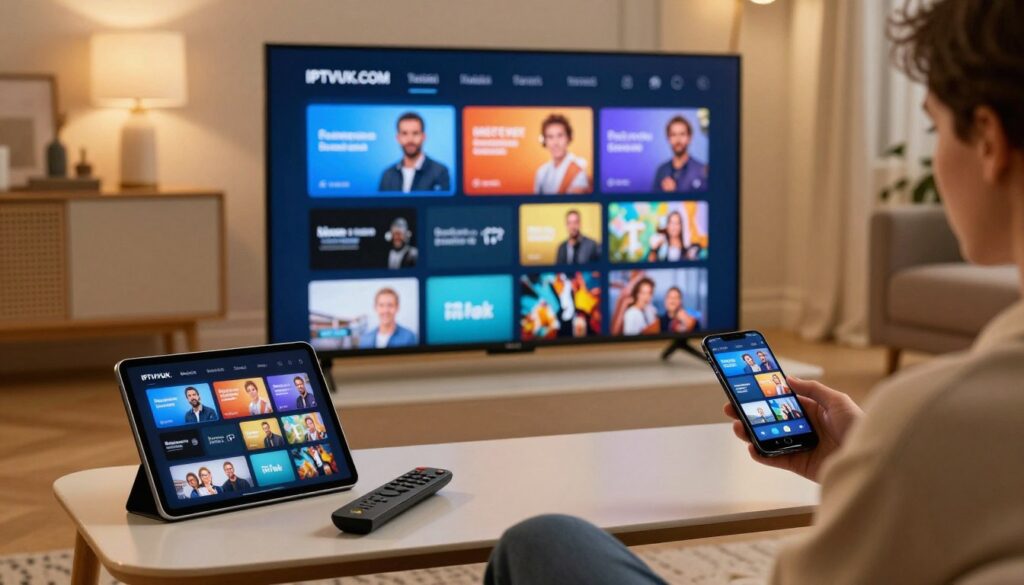
By following these steps, you can enjoy IPTV on your device of choice, whether it’s a smart TV, computer, mobile device, gaming console, or set-top box.
Using IPTV Media Players and Apps

To enhance your IPTV experience, it’s essential to understand the role of media players and apps. These platforms allow you to access and manage IPTV content across various devices, providing a more personalized viewing experience.
Popular IPTV Applications
Several IPTV apps have gained popularity due to their versatility and user-friendly interfaces. Applications like Kodi, Smarters, and MyIPTV Player enable users to consolidate multiple IPTV services into a single interface. These media players support various playlist formats, including M3U files, making it easier to manage your IPTV subscriptions.
Adding and Managing Playlists
To start using an IPTV media player, you typically need to add a playlist or URL provided by your IPTV service provider. This involves navigating to the playlist section within the app, adding your provider’s stream link, or uploading an M3U file. Effective playlist management allows you to organize channels into categories, create favorites lists, and even combine multiple subscription sources into a unified viewing experience.
Troubleshooting Common IPTV Issues
IPTV users often encounter issues that disrupt their viewing experience, but most problems have straightforward solutions. Whether you’re dealing with buffering, connection problems, or channel errors, understanding the root cause is key to resolving the issue.
Buffering and Connection Problems
Buffering and freezing are often caused by a slow or unstable internet connection. To address this, try restarting your router, closing other bandwidth-intensive applications, or reducing the number of devices using your network. For persistent buffering problems, consider upgrading your internet plan to at least 25 Mbps for HD streaming or connecting your device directly to your router via Ethernet cable. You can also check out tips to improve your streaming experience for more guidance.

Channel and Playlist Errors
If certain channels aren’t showing up, it could be an issue with your IPTV provider’s server or an outdated playlist. Try refreshing or reloading your playlist URL and check your provider’s status page or support channels for known outages. For more information on resolving IPTV issues, you can visit LayerSeven TV for solving IPTV problems.
Regularly updating your playlist links can prevent most of these issues. If specific channels aren’t loading or displaying correctly, the problem may be with the individual stream rather than your setup.
Optimizing Your IPTV Experience
Enhancing your IPTV experience involves a few simple adjustments that can significantly improve streaming quality. By focusing on your internet connection and fine-tuning your settings, you can enjoy a smoother, more reliable service.
Internet Connection Requirements
A reliable internet connection is the foundation of a quality IPTV experience. For HD content, aim for a minimum speed of 15-20 Mbps, while 4K streaming requires 25+ Mbps to avoid buffering issues. Using a wired connection can help eliminate interference and signal degradation common with Wi-Fi networks.
Tips for Better Streaming Quality
To further enhance your IPTV experience, consider adjusting your network settings to prioritize streaming traffic. Regularly updating your IPTV application to the latest version ensures you benefit from performance improvements and bug fixes. You can also customize video settings and preferences within your IPTV app to optimize resolution, bitrate, and buffer size based on your network capabilities.
| Streaming Quality | Minimum Internet Speed | Recommended Connection |
|---|---|---|
| HD | 15-20 Mbps | Wired |
| 4K | 25+ Mbps | Wired |
For more information on what to expect from popular IPTV providers, check out this review. By implementing these tips, you can significantly enhance your IPTV experience.
Conclusion
IPTV technology is transforming the television landscape, offering users unprecedented flexibility and choice. Whether you’re looking to cut the cord or expand your viewing options, IPTV provides access to thousands of channels and on-demand content from around the world.
To watch IPTV effectively, make sure you choose a reputable provider and have the right equipment and internet connection. For more detailed information on IPTV services, you can visit our IPTV Hub Review. By following these guidelines, you can enjoy a high-quality IPTV service tailored to your viewing needs.