
The way we consume television content has undergone a significant transformation. Gone are the days of bulky cable boxes and restrictive contracts. Internet Protocol Television (IPTV) has emerged as a modern alternative, delivering television content over the internet.
In 2025, IPTV is not just an alternative; it’s the primary choice for millions of viewers worldwide. This comprehensive guide will help you navigate the complex world of IPTV services to find secure and legal options that enhance your viewing experience. For more detailed information, you can check out our review on IPTV Hub.
Key Takeaways
- Understand the basics of IPTV and how it differs from traditional TV.
- Learn how to identify secure and legal IPTV services.
- Discover the essential features to look for in an IPTV provider.
- Explore the benefits of switching to IPTV, including flexibility and content variety.
- Get guidance on making an informed decision about your IPTV service.
Understanding IPTV: The Future of Television
As we dive into the world of modern television, it’s essential to understand the technology that’s revolutionizing how we consume media. IPTV, or Internet Protocol Television, is changing the way we watch TV by offering a more personalized and flexible viewing experience.
What Is Internet Protocol Television?
Internet Protocol Television (IPTV) is a streaming service that delivers live TV channels, movies, series, and sports events directly to your device via the internet. Unlike traditional cable and satellite services, IPTV gives you unprecedented control over what you watch and when you watch it. Think of it as a vast, customizable library of content at your fingertips.
IPTV works through your existing internet connection, eliminating the need for additional specialized wiring or equipment like satellite dishes or cable boxes. Instead, you can use apps on various devices you already own to access a wide range of channels and content.
How IPTV Differs from Traditional Cable and Satellite
IPTV differs significantly from traditional cable and satellite services in several key ways. For instance, traditional services operate on a scheduled programming model with fixed channel lineups, whereas IPTV offers on-demand viewing alongside live channels. This means you can watch what you want, when you want, without being tied to a broadcast schedule.
Another key difference is that IPTV services can be accessed from anywhere with an internet connection, making it ideal for travelers or those with multiple residences. You can find more information on accessing local channels with IPTV by visiting this link.
The Rise of IPTV for TV: Why It’s Dominating in 2025
IPTV’s rise to prominence in 2025 is driven by its flexibility and content abundance. The IPTV service has become the go-to option for many consumers due to its ability to deliver a superior entertainment experience.
Technological Advancements Driving Adoption
The technological advancements in IPTV have played a crucial role in its adoption. Modern streaming technology allows for high-quality video delivery over the internet, making it possible for consumers to access a wide range of channels and content on multiple devices.
- Advanced compression technologies enable smoother streaming.
- Increased internet speeds support higher quality video.
- Improved user interfaces make navigation easier.
Changing Consumer Viewing Habits
Consumer viewing habits have shifted significantly, with a preference for on-demand content and the ability to watch on multiple devices. This shift is driven by:
| Viewing Habit | Percentage | Impact |
|---|---|---|
| On-the-go access | 78% | Increased demand for mobile compatibility |
| Binge-watching culture | 85% | Preference for on-demand content |
| Multi-screen households | 90% | Need for services that support multiple devices |
The IPTV service offers a subscription model that caters to these changing habits, providing consumers with the flexibility and experience they desire.
Key Benefits of Switching to IPTV Services
The benefits of IPTV services are numerous, ranging from cost savings to enhanced flexibility. As you consider switching from traditional cable or satellite TV, understanding these advantages can help you make an informed decision.
Cost Savings Compared to Traditional Cable
One of the primary benefits of IPTV services is the potential for cost savings. Unlike traditional cable providers, IPTV services often offer more flexible pricing plans and packages, allowing you to pay only for the content you want to watch. This can result in significant savings, especially for households with multiple viewers who want to watch different channels simultaneously.
Content Variety and Accessibility
IPTV services provide an extensive range of content, including live TV, on-demand movies, and TV shows. With an IPTV service, you can access your favorite channels and content from anywhere, at any time, as long as you have a stable internet connection. This level of accessibility is a significant advantage over traditional TV services.
Flexibility and Device Compatibility
Modern IPTV services are designed to be highly flexible and compatible with a wide range of devices, including smart TVs, streaming sticks like Firestick and Roku, smartphones, tablets, and computers. You can watch your favorite content on multiple devices without needing additional hardware or subscription fees. Most IPTV apps also feature cross-platform synchronization, allowing you to pause content on one device and resume on another seamlessly. For instance, you can start watching a movie on your living room TV and continue watching it on your phone when you’re on the go. To explore more about IPTV devices, you can check out options like IPTV boxes that support various streaming services.
Essential Features to Look for in IPTV Services
To get the most out of your IPTV subscription, it’s crucial to understand the essential features that define a quality service. A good IPTV service should offer a combination of reliability, content variety, and user-friendly interfaces.
Channel Selection and Stability
A robust channel lineup is fundamental. Look for services that offer a wide range of channels, including popular local and international options. Stability is equally important; you want a service that can maintain a consistent stream without frequent buffering or downtime.
Video Quality and Streaming Performance
High-definition streaming is a must for an immersive viewing experience. Check if the IPTV service supports various resolutions, including 1080p and 4K. Additionally, consider the streaming performance, ensuring that the service can handle your internet connection efficiently.
Electronic Program Guide (EPG) and User Interface
An intuitive Electronic Program Guide (EPG) and user interface can greatly enhance your viewing experience. A well-designed EPG should provide easy access to channel listings, program information, and on-demand content.
Video on Demand (VOD) Libraries
A comprehensive VOD library is a key differentiator for IPTV services. You should have access to a vast library of movies and TV shows, including recent releases. The library should be organized into categories, making it easy to browse and discover new content. Features like video demand and catch-up TV functionality add to the convenience, allowing you to watch your favorite shows at your own pace.
Legal Considerations When Choosing IPTV Providers
As IPTV continues to grow in popularity, the importance of choosing a legal IPTV provider cannot be overstated. With numerous services available, distinguishing between legitimate and illegitimate providers is crucial.
Understanding the Legal Landscape of IPTV
The legal landscape of IPTV is complex, involving content licensing agreements and broadcasting rights. Legitimate IPTV services obtain the necessary permissions to distribute content, ensuring compliance with copyright laws.
To avoid potential legal issues, it’s essential to understand the legal status of your chosen IPTV provider. Researching the provider’s background and checking for any legal notices or warnings is a prudent step.
Identifying Legitimate IPTV Services
Legitimate IPTV providers typically exhibit certain characteristics that distinguish them from their illegitimate counterparts. These include:
- Professional websites with clear terms of service and privacy policies
- Transparent pricing structures and reasonable subscription models
- Secure payment processing through established gateways
- Customer support available through multiple channels during defined business hours
- Trial periods or money-back guarantees to demonstrate confidence in their service quality
For more detailed information on the legality of IPTV services, you can visit this resource to learn more about the legal aspects and how to choose a compliant IPTV service.
Hardware and Setup Requirements
Before diving into the world of IPTV, it’s crucial to understand the hardware and setup requirements that will ensure a smooth viewing experience. The right equipment and a stable internet connection are fundamental to enjoying IPTV services.
Compatible Devices for IPTV Streaming
When it comes to IPTV, the device you choose is critical. Popular options include smart TVs, streaming devices like Roku, Amazon Fire TV, and Google Chromecast, as well as dedicated IPTV players. For instance, you can explore IPTV configurations on your smart TV by following a practical guide that simplifies the setup process.
Internet Speed Requirements
A stable and fast internet connection is vital for uninterrupted IPTV streaming. Generally, a minimum speed of 5 Mbps is recommended for standard definition, while high definition requires at least 10 Mbps, and 4K streaming needs 25 Mbps or more. Ensuring your internet plan meets these requirements is essential for a quality viewing experience.
Essential Accessories and Add-ons
To enhance your IPTV experience, consider additional accessories. A quality VPN service can help bypass ISP throttling, ensuring a more stable streaming connection. Other useful add-ons include:
- External storage devices for recording functionality
- Premium IPTV player apps like TiviMate or IPTV Smarters Pro for enhanced features
- Ethernet adapters for improved connection stability
- Voice-controlled remotes for a more convenient viewing experience
How to Choose the Right IPTV Provider
To ensure a satisfying IPTV experience, it’s essential to evaluate potential providers carefully. When selecting an IPTV service, several key factors come into play.
Evaluating Service Reliability and Uptime
A reliable IPTV provider should offer high uptime and stable streams. Look for services that guarantee at least 99% uptime and have a reputation for consistent delivery. You can check IPTV guides to understand what makes a provider reliable.
Pricing Models and Subscription Options
Different providers offer various pricing models, including monthly, quarterly, and annual subscriptions. Some may also offer channel-specific packages. Compare these options to find the best fit for your viewing habits and budget. Check out IPTV stores that compare different services.
Customer Support Quality
Effective customer support is crucial for resolving any issues that may arise. Opt for providers that offer multiple support channels, such as live chat, email, and phone support. Evaluate their responsiveness during the trial period to gauge the level of service you can expect.
Trial Periods and Money-Back Guarantees
A trial period is invaluable for testing an IPTV service. Ideally, look for providers offering 3-7 day trials without requiring payment information upfront. Additionally, a money-back guarantee extending beyond the trial period provides extra assurance. Reputable providers typically offer 14-30 day refund windows.
By carefully evaluating these factors, you can make an informed decision when choosing an IPTV provider that meets your needs.
Optimizing Your IPTV Experience
Maximizing your IPTV experience involves optimizing your network and device settings. To achieve a seamless viewing experience, you need to consider several factors that impact your IPTV service’s performance.
Network Optimization Tips
To optimize your IPTV streaming, ensure your internet connection is stable and fast enough. Buffering issues often stem from insufficient bandwidth or network congestion. You can check your internet speed and consider upgrading your plan if necessary. For more detailed guidance, visit our guide on optimizing your IPTV experience.
Using VPNs with IPTV Services
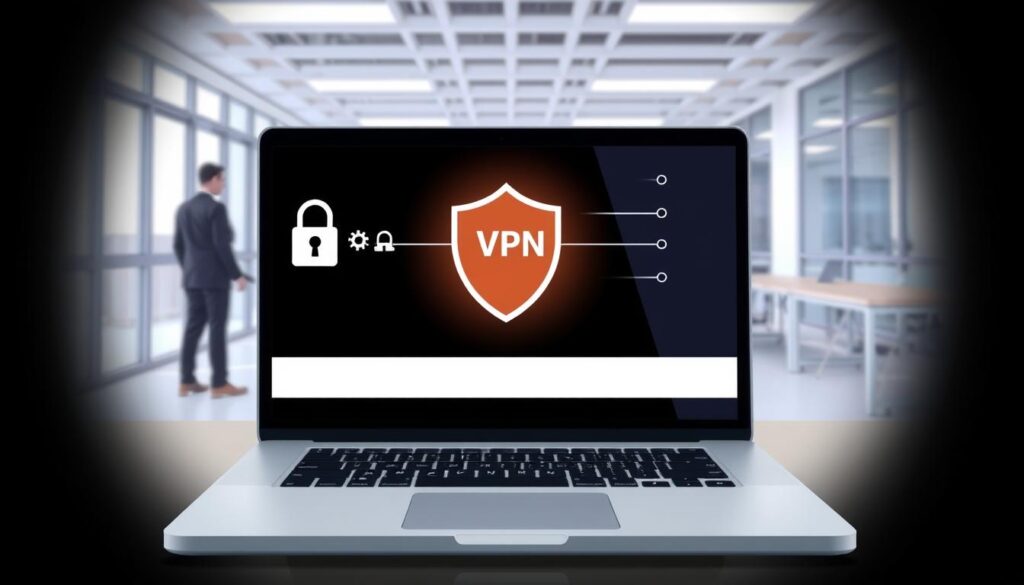
Using a VPN with your IPTV service can help protect your privacy and potentially bypass geo-restrictions. However, not all VPNs are created equal when it comes to IPTV streaming. Look for a VPN that is known to work well with IPTV and has servers in regions where your desired content is available. When searching for the best VPN for IPTV streaming, consider factors like speed, server locations, and compatibility with your IPTV app.
Troubleshooting Common IPTV Issues
Common issues with IPTV services include buffering, channel-specific problems, and app-related issues. To troubleshoot these problems, start by checking your internet connection and the IPTV service’s server status. If issues persist, try clearing the cache on your IPTV app or reinstalling it. For channel-specific issues, it’s often a problem with the particular stream rather than your overall setup. Documenting error codes can also be helpful when contacting support.
Some key troubleshooting steps include:
– Checking your internet speed and connection stability
– Clearing cache or reinstalling the IPTV app
– Testing different IPTV players or devices
– Contacting your IPTV service’s support team with detailed error information
By following these tips and being aware of common issues, you can significantly enhance your IPTV viewing experience. Whether you’re dealing with buffering, channel changes, or IPTV player issues, systematic troubleshooting can help identify and resolve the problem.
Conclusion: Making the Switch to IPTV in 2025
The IPTV landscape has transformed significantly in 2025, offering consumers unprecedented choice in how they access television content. With options ranging from budget-friendly basic packages to premium comprehensive entertainment solutions, viewers can now prioritize reliability, content quality, and user experience over simply chasing the lowest price.
When evaluating your options, consider providers that balance content variety, streaming reliability, and customer support. The transition from traditional cable to IPTV represents a fundamental shift in how we consume media, embracing on-demand viewing alongside live broadcasts. Most households can expect to save between $500-1,200 annually by switching to equivalent IPTV services.
Before making your final decision, take advantage of trial periods to personally evaluate how different services perform on your specific devices and network environment. For more detailed information on IPTV subscriptions, you can visit this guide. The best IPTV service for your needs depends on your specific viewing habits, whether you’re a sports enthusiast, international viewer, or movie buff.
As streaming technology continues to evolve, IPTV represents the convergence of traditional television’s comprehensive content with the flexibility and cost-effectiveness of internet-based delivery. By choosing the right IPTV service, you can enjoy a superior viewing experience with access to a wide range of channels and content, all while potentially saving money on your monthly subscription.