The globalInternet Protocol Television (IPTV)market is booming, with an estimated size of USD 68.84 billion in 2023 and a projected growth to USD 200.22 billion by 2030, at a CAGR of 16.8%. This significant expansion is revolutionizing how we consume television content.
The way we watch TV is changing. With IPTV services, you can enjoy flexible alternatives to traditional cable and satellite TV. IPTV technology delivers television programming over internet connections, opening up new possibilities for viewers.
As the IPTV market grows, so do the options for consumers. The best services offer a range of channels, high-quality content, and seamless streaming experiences. When choosing a service, consider factors like device compatibility, user experience, and customer support.
Key Takeaways
- Discover the top IPTV services available in the market.
- Understand the pricing structures of different IPTV providers.
- Learn about the essential features to consider when selecting an IPTV service.
- Get an overview of the benefits of using IPTV technology.
- Explore how IPTV services are changing viewer expectations.
Understanding IPTV: The Future of Television
The television landscape is evolving, and IPTV is at the forefront of this change. As we explore the world of IPTV, it’s essential to understand what it is and how it differs from traditional television services.
What Is an IPTV Platform?
An IPTV platform uses an Internet protocol (IP) based network to deliver TV channels to users’ set-top boxes. This allows for a more personalized and interactive experience. Unlike traditional TV services, IPTV provides content through the same client-server model used for email and websites.
How IPTV Differs from Traditional Cable and Satellite TV
Traditional cable TV delivers content through a physical coaxial connection, while satellite TV transmits signals wirelessly from orbiting satellites. Both operate on a “broadcast” model, transmitting all channels simultaneously. In contrast, IPTV uses a “request and receive” model, sending content only when requested, making it more bandwidth-efficient.
| Feature | Traditional TV | IPTV |
|---|---|---|
| Content Delivery | Broadcast model | Request and receive model |
| Connection Type | Wired (cable) or wireless (satellite) | Internet-based |
| Interactivity | Limited | Highly interactive with features like on-demand content and personalized recommendations |
With IPTV, you can enjoy advanced features like multi-device streaming and cloud DVR functionality, enhancing your overall television experience. As the television landscape continues to evolve, IPTV is poised to play a significant role in shaping the future of entertainment.
How IPTV Technology Works
IPTV technology revolutionizes television viewing by delivering content over the internet. This method allows for a more personalized and flexible viewing experience compared to traditional TV.
IPTV Architecture Explained
The architecture of IPTV involves a complex system where video content is stored on servers and transmitted to users through their internet connection. When you request a video, it is broken into data packets and sent over the internet to your device, where it is reassembled for viewing.

Streaming Protocols and Delivery Methods
IPTV streaming relies on various protocols to ensure efficient content delivery. Common protocols include:
- HTTP Live Streaming (HLS)
- Dynamic Adaptive Streaming over HTTP (DASH)
- Real-Time Messaging Protocol (RTMP)
These protocols determine how video data is packaged, transmitted, and reassembled. For instance, adaptive bitrate streaming adjusts video quality based on your internet speed, preventing buffering.
| Protocol | Advantages | Use Cases |
|---|---|---|
| HLS | Adaptive bitrate, wide compatibility | Live events, on-demand content |
| DASH | High efficiency, flexible streaming | High-definition content, multi-device support |
| RTMP | Low latency, real-time communication | Live streaming, interactive services |
By utilizing these protocols and a robust service infrastructure, IPTV providers can offer high-quality video content and reliable access to their users.
Key Benefits of Switching to an IPTV Platform
Switching to an IPTV platform can revolutionize your viewing experience by offering a more flexible, cost-effective, and feature-rich alternative to traditional TV services. With IPTV, you can enjoy a wide range of benefits that enhance your entertainment options.
Cost Savings Compared to Traditional Cable
One of the primary advantages of IPTV is the potential for cost savings. Unlike traditional cable services, IPTV providers often offer customizable packages that allow you to pay only for the content you want to watch, potentially reducing your monthly bills. For instance, a comparison between IPTV and traditional cable services reveals significant differences in pricing models.
| Service Type | Monthly Cost | Customization |
|---|---|---|
| Traditional Cable | $100-$150 | Limited |
| IPTV Service | $20-$50 | High |
Enhanced Content Selection and Flexibility
IPTV platforms provide enhanced content selection and flexibility, allowing you to watch your favorite shows and movies on-demand. With IPTV, you can access a vast library of content, including live TV, catch-up TV, and video-on-demand services. As noted by a streaming expert, “IPTV services offer a more personalized viewing experience, giving users control over what they watch and when.” You can explore IPTV options like American IPTV Box for a comprehensive entertainment solution.
Multi-Device Accessibility
Another significant benefit of IPTV is multi-device accessibility. You can stream content on various devices, including smart TVs, smartphones, tablets, laptops, and streaming boxes. This flexibility allows different family members to watch different content simultaneously on their preferred devices. Most premium IPTV providers offer dedicated apps optimized for different device ecosystems, ensuring a consistent and user-friendly experience across platforms.

Essential Features to Look for in an IPTV Platform
To get the most out of your IPTV service, it’s crucial to understand the essential features that define a superior platform. An ideal IPTV platform should offer a combination of comprehensive channel selection, high-quality streaming, user-friendly interface, and advanced recording capabilities.
Channel Selection and Content Library
A robust IPTV platform should provide access to a wide range of channels, including popular local and international options, as well as an extensive content library. This includes on-demand content, such as movies and TV shows, to cater to diverse viewer preferences. When evaluating an IPTV service, consider the breadth and depth of its content offerings to ensure it meets your viewing needs.

Stream Quality and Reliability
The quality of the stream is paramount for an enjoyable viewing experience. Look for an IPTV platform that offers high-definition (HD) or 4K streaming capabilities, depending on your device’s compatibility. Moreover, a reliable service with minimal buffering and downtime is essential. Opt for a provider that utilizes a robust cloud infrastructure to ensure consistent and high-quality content delivery.
User Interface and Electronic Program Guide (EPG)
An intuitive user interface and a comprehensive EPG are vital for navigating the IPTV service efficiently. The EPG should provide detailed program information, including schedules, descriptions, and previews. A well-designed interface enhances the overall user experience, making it easier to discover new content and manage your viewing schedule.
Recording and Catch-Up Capabilities
Recording and catch-up features are essential for flexibility in viewing. Cloud DVR functionality allows users to record live TV without the constraints of local storage limitations. Additionally, catch-up TV features enable viewers to access recently aired content. When choosing an IPTV platform, consider the recording capabilities, such as series recording options and multi-channel recording, to ensure they meet your needs.
As emphasized by industry experts, “The future of television lies in the ability to access content anytime, anywhere, on any device.” A superior IPTV platform should provide seamless access across various devices, ensuring a consistent viewing experience.
Top IPTV Platforms for 2023
The IPTV market in 2023 is characterized by a variety of platforms catering to different viewer needs. As consumers look for more flexible and feature-rich television services, several IPTV platforms have emerged as top contenders.
Muvi One
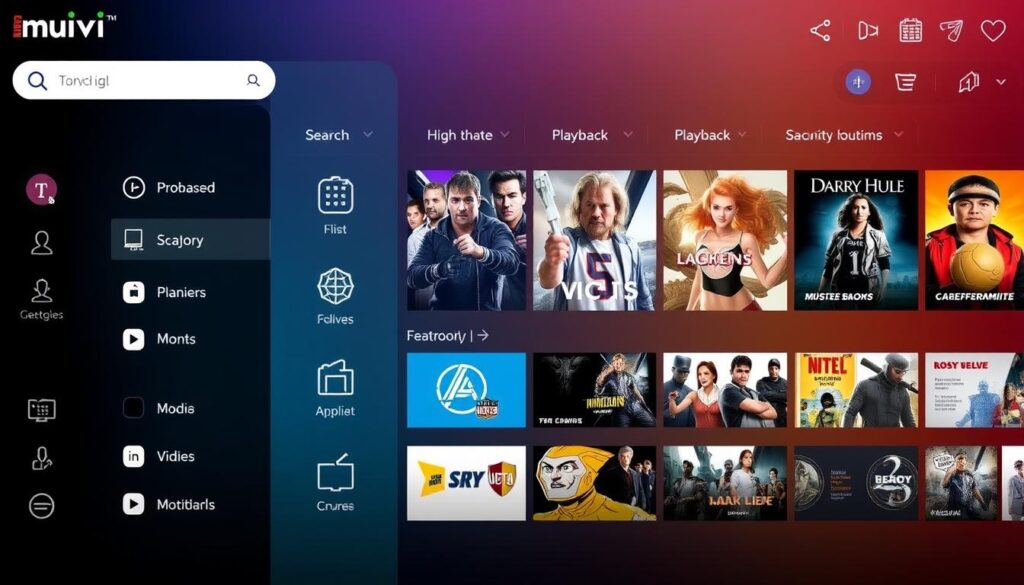
Muvi One is a comprehensive IPTV solution that offers a range of features for both consumers and broadcasters. Its cloud-based architecture allows for seamless scalability and flexibility.
Key Features and Content Offerings
Muvi One provides a robust content management system, allowing users to easily upload, manage, and distribute their content across various platforms. It supports multiple streaming protocols and offers advanced monetization options through its advertising integration.
Multi-platform support and advanced content management are key highlights of Muvi One.
Pricing Structure
Muvi One operates on a flexible pricing model that caters to different business needs. The pricing is typically based on the number of users or the volume of content being streamed.
Pros and Cons
Pros: Muvi One offers exceptional ease of use, scalability, and multi-platform distribution. Cons: It may be more expensive than basic streaming solutions, and some advanced customization options may require additional development work.
TiVo IPTV Solutions

TiVo IPTV Solutions is known for its innovative approach to television viewing, offering personalized viewing experiences through its advanced recommendation engine.
Key Features and Content Offerings
TiVo provides a rich set of features, including a comprehensive EPG, recording capabilities, and catch-up TV. Its platform is designed to work seamlessly across various devices.
Personalized recommendations and advanced EPG are standout features of TiVo IPTV Solutions.
Pricing Structure
TiVo’s pricing is competitive, with various plans available to suit different consumer needs.
Pros and Cons
Pros: TiVo offers a highly personalized viewing experience and robust features. Cons: The pricing may be on the higher side for some consumers, and the user interface, while feature-rich, may have a learning curve.
Premium IPTV Service Providers

Premium IPTV service providers offer high-quality content and advanced features, catering to consumers looking for a superior viewing experience.
Key Features and Content Offerings
These providers typically offer a wide range of channels, including premium content such as sports and movies. They also often include advanced features like multi-device support and catch-up TV.
High-quality content and advanced features define premium IPTV services.
Pricing Structure
Pricing for premium IPTV services varies, with different tiers offering various levels of content and features.
Pros and Cons
Pros: Premium IPTV services offer high-quality content and a rich viewing experience. Cons: They can be expensive, and the quality of service can vary between providers.
Muvi Playout for Broadcasters

Muvi Playout is designed specifically for broadcasters, offering a cloud-based solution for channel creation, management, and distribution.
Key Features and Content Offerings
Muvi Playout provides intuitive tools for channel management, advanced monetization options, and seamless scalability. It supports multi-platform distribution, ensuring that content reaches viewers across different devices.
Exceptional ease of use and scalability are key benefits of Muvi Playout.
Pricing Structure
The pricing for Muvi Playout is tailored to the needs of broadcasters, with models based on the scale of operations.
Pros and Cons
Pros: Muvi Playout offers ease of use, scalability, and multi-platform distribution. Cons: It may be more expensive than basic solutions, and some customization options may require additional work.
IPTV Platform Pricing Comparison
Understanding the pricing of IPTV platforms is crucial for making an informed decision. With various providers offering different plans, it’s essential to compare the costs and services.
Subscription Models Explained
IPTV platforms offer various subscription models to cater to different user needs. These can include monthly, quarterly, or annual plans, with some providers offering discounts for longer commitments. You should consider your viewing habits and choose a plan that aligns with your preferences. For instance, if you’re a casual viewer, a monthly plan might be more suitable, while frequent viewers might benefit from annual subscriptions.
Value Analysis: What You Get for Your Money
When evaluating IPTV services, consider the value for money. Look beyond the subscription fee and assess the quality of the service, including the number of channels, content variety, and streaming quality. Some providers may offer additional features like DVR capabilities or simultaneous connections on multiple devices. You should also check if the service requires a VPN connection for security or to access certain content.
Hidden Costs to Watch Out For
Beyond the basic subscription fee, there are several hidden costs to be aware of. These may include:
- VPN subscription fees, which can range from $3 to $10 per month
- Internet bandwidth upgrades to support HD or 4K streaming, potentially requiring a faster internet connection
- Purchases of compatible devices if your existing equipment is not supported
- Storage costs for recording functionality, especially if using local storage
For more information on IPTV services and their pricing, you can visit this resource to explore the best IPTV subscription service providers.
Device Compatibility and Technical Requirements
The success of your IPTV experience hinges on two main factors: device compatibility and internet connection quality. Ensuring that your devices and internet meet the necessary technical requirements is crucial for a seamless viewing experience.
Supported Devices and Operating Systems
Most IPTV platforms support a variety of devices, including smart TVs, smartphones, tablets, and streaming devices like Roku or Amazon Fire TV. It’s essential to check that the IPTV service is compatible with your devices. For instance, some IPTV services offer dedicated apps for Android and iOS devices, making it easy to stream content on smartphones and tablets.

Internet Speed Requirements for Optimal Performance
A stable and fast internet connection is vital for uninterrupted streaming. The required internet speed depends on the quality of the video you’re streaming. For video content, the following speeds are recommended:
| Video Quality | Recommended Internet Speed |
|---|---|
| Standard Definition (SD) | 3-5 Mbps |
| High Definition (HD) at 720p | 5-10 Mbps |
| Full HD 1080p | 10-20 Mbps |
| 4K Ultra HD | 25-35+ Mbps |
For households with multiple streams running simultaneously, it’s crucial to calculate the total bandwidth required. Additionally, using a VPN can reduce your effective bandwidth by 10-30% due to encryption overhead, so a higher base speed may be necessary to compensate.
For more detailed information on IPTV technology and its requirements, you can refer to technical publications that discuss the intricacies of IPTV architecture and streaming protocols.
Legal Considerations for IPTV Users
As you explore IPTV options, understanding the legal landscape is crucial for a safe viewing experience. The IPTV industry is complex, with various services operating under different legal frameworks. To ensure you’re using a legitimate service, it’s essential to understand the legal considerations involved.
Understanding the Legal Landscape
The legal landscape for IPTV providers varies significantly. Legitimate IPTV providers maintain transparent business operations, including verifiable company information and proper business registration. When evaluating an IPTV provider, look for clear terms of service and mainstream payment processing methods like credit cards or PayPal. Be cautious of services that require cryptocurrency or gift cards, as these may be attempting to avoid financial oversight.
- Check for verifiable company information and business registration.
- Be wary of services offering thousands of premium channels at unusually low prices.
- Legitimate services often have content limitations due to licensing agreements.
Choosing Legitimate IPTV Services
To choose a legitimate IPTV service, consider several factors. First, look for services that offer a free trial with no credit card requirements, allowing you to evaluate their content and quality. Also, assess their customer support availability and professionalism. Be cautious of services that strictly require VPN usage, as this may indicate unauthorized activities. For more information on IPTV legality, you can visit this resource.
When using IPTV services, consider using a VPN for privacy, but be aware that some legitimate providers may recommend VPNs without requiring them. By being informed and cautious, you can enjoy a safe and legal IPTV experience.
How to Choose the Right IPTV Platform for Your Needs
Choosing the right IPTV platform can be daunting, but by assessing your viewing habits, you can make an informed decision. To start, consider what you want from your IPTV service. Are you primarily interested in live TV, sports, or on-demand content? Understanding your preferences will help narrow down the options.
Assessing Your Viewing Habits and Preferences
To choose the best IPTV platform, you need to assess your viewing habits. Consider the types of content you watch most often. For instance, if you’re a sports enthusiast, look for a service that offers a wide range of sports channels and reliable streaming during major events. You can find more detailed guidance on evaluating IPTV services in this ultimate guide to finding the best IPTV.
Testing Before Committing: Free Trials and Money-Back Guarantees
Before committing to an IPTV service, take advantage of free trials or money-back guarantees. Always use the service’s free trial during a major live sports event to truly test its server strength. Prioritize services that offer free trials without requiring payment information, as these present the lowest risk. Test the service during peak usage times and check compatibility across all your intended viewing devices. For a comprehensive checklist on choosing the right IPTV solution provider, you can refer to this checklist.
Conclusion: The Future of IPTV Platforms
As we look to the future of television, IPTV technology is poised to revolutionize the way we consume media. The global IPTV market is projected to reach $200 billion by 2030, growing at a CAGR of 16.8% from 2024 to 2030. This growth is driven by advancements in streaming technology and changing viewer preferences.
The future of IPTV will be shaped by personalization, with AI-driven content recommendations and interactive features. To learn more about the future of IPTV, visit Vodlix’s IPTV blog. The distinction between traditional TV and internet-delivered content will continue to blur, focusing on unified content discovery.