
The way we consume television is changing. Internet Protocol Television (IPTV) is revolutionizing the way we watch our favorite shows and movies by delivering content directly to our devices via the internet.
This shift away from traditional cable and satellite TV is driven by the flexibility and convenience offered by IPTV services. With IPTV, you can access a wide range of channels and on-demand content, often with better video quality and more device compatibility.
As you consider making the switch to IPTV, it’s essential to explore the top streaming services available. You can find more information on the best IPTV services at https://www.solidiptv.store/best-for-iptv/. Our comprehensive guide will help you compare channel offerings, video quality, and pricing plans to make an informed decision.
Key Takeaways
- Top IPTV streaming services available in 2025
- Comparison of channel offerings and video quality
- Pricing plans and subscription models
- Device compatibility and streaming quality
- Benefits of switching to IPTV from traditional TV
What Is IPTV? Understanding Internet Protocol Television
As we dive into the world of streaming services, it’s essential to understand what IPTV is and how it’s changing the television landscape. IPTV, or Internet Protocol Television, is a service that delivers television content over the internet, rather than through traditional terrestrial, satellite, or cable formats.
Definition and Basic Concept
IPTV uses the internet protocol network to deliver video content directly to your device. This technology allows for a more personalized viewing experience, as users can access content on-demand, rather than adhering to a broadcast schedule. IPTV service providers typically offer a range of channels and video on demand (VOD) content, making it a comprehensive alternative to traditional TV.
How IPTV Differs from Traditional Cable and Satellite TV
Unlike traditional cable and satellite TV, IPTV doesn’t require a specific infrastructure like a cable connection or a satellite dish. Instead, it relies on a stable internet connection to stream content. This difference opens up new possibilities for viewers, allowing them to watch TV on various devices with an internet connection. You can explore more about IPTV devices on IPTV Box websites.
Brief History and Evolution of IPTV
The concept of IPTV first emerged in the mid-1990s, but it wasn’t until the early 2000s that advancements in video compression technology made it viable. Telecommunications companies began offering IPTV service around 2005-2006. Since then, the evolution of IPTV has been rapid, driven by improvements in network infrastructure and internet speeds. Today, IPTV is a significant player in the global market, transforming the way we consume television content over time.
- IPTV technology first emerged in the mid-1990s but was initially limited by early internet connections.
- Advancements in video compression technology in the early 2000s made IPTV more practical.
- Telecommunications companies started offering IPTV service around 2005-2006.
- The growth of fiber-optic networks has enabled higher quality IPTV streaming.
- By 2025, IPTV has become a dominant form of television delivery, expanding the global market significantly.
How IPTV Works: Technology Behind the Scenes
As we dive into the world of IPTV, it’s essential to understand the underlying technology that makes it all possible. IPTV, or Internet Protocol Television, relies on a robust infrastructure to deliver high-quality streams to your devices. This infrastructure is crucial for providing a seamless viewing experience.
IPTV Architecture and Infrastructure
The architecture of IPTV systems is designed to efficiently manage and deliver television content over the internet. This involves a complex network of servers, routers, and protocols working together to ensure that streams are delivered reliably and with minimal latency. IPTV providers utilize network infrastructure to manage the distribution of content, ensuring that it reaches the intended audience without interruption.

Streaming Protocols and Delivery Methods
IPTV systems employ various streaming protocols to deliver content. For live TV channels, IGMP (Internet Group Management Protocol) is used to manage multicast streams. On-demand content, on the other hand, uses unicast connections, established through protocols like RTSP (Real-Time Streaming Protocol). The choice of protocol depends on the type of content being delivered and the requirements for quality and reliability.
Some key features of IPTV streaming protocols include:
- Adaptive bitrate streaming, which adjusts video quality based on the viewer’s internet connection speed.
- The use of TCP (Transmission Control Protocol) for reliability or UDP (User Datagram Protocol) for speed, with live TV services often favoring UDP to minimize latency.
- Modern IPTV systems increasingly implement HTTP-based streaming protocols like HLS (HTTP Live Streaming) and DASH (Dynamic Adaptive Streaming over HTTP), which work efficiently through firewalls and are compatible with a wide range of devices.
- For more information on setting up IPTV on your device, you can refer to guides like the one on setting up IPTV on Windows.
Benefits of Switching to IPTV TV
The benefits of IPTV TV are multifaceted, providing users with a more flexible and cost-effective entertainment solution. As we explore the advantages of IPTV, it becomes clear why it’s becoming the preferred choice for many consumers.
Cost-Effectiveness Compared to Traditional TV
One of the primary benefits of IPTV TV is its cost-effectiveness. Unlike traditional TV services, IPTV providers offer competitive pricing models that can significantly reduce your monthly entertainment expenses. With IPTV, you can avoid the high costs associated with cable or satellite TV, including equipment rental fees and premium channel charges.
For instance, IPTV services often provide affordable subscription plans that include access to a wide range of channels and content. This means you can enjoy your favorite shows, movies, and sports without breaking the bank.
Flexibility and Device Compatibility
IPTV TV offers unparalleled flexibility and device compatibility. With IPTV, you can watch your favorite content on various devices, including smartphones, tablets, smart TVs, and streaming devices. This flexibility allows you to enjoy your entertainment on the go or at home, without being tied to a specific device or location.
As “The future of TV is not just about watching TV, it’s about how you watch it.” IPTV services cater to this modern viewing behavior by providing seamless integration across multiple platforms.
Content Variety and Accessibility
IPTV TV boasts an impressive range of content, including thousands of live channels, video on demand (VOD) libraries, and catch-up TV features. With IPTV, you can access a vast array of entertainment options, from popular TV shows and movies to niche sports channels and international content.
- Access to thousands of live channels from around the world, including premium sports, news, and entertainment.
- Extensive VOD libraries featuring the latest movies and TV series.
- Catch-up TV features that allow you to watch missed shows.
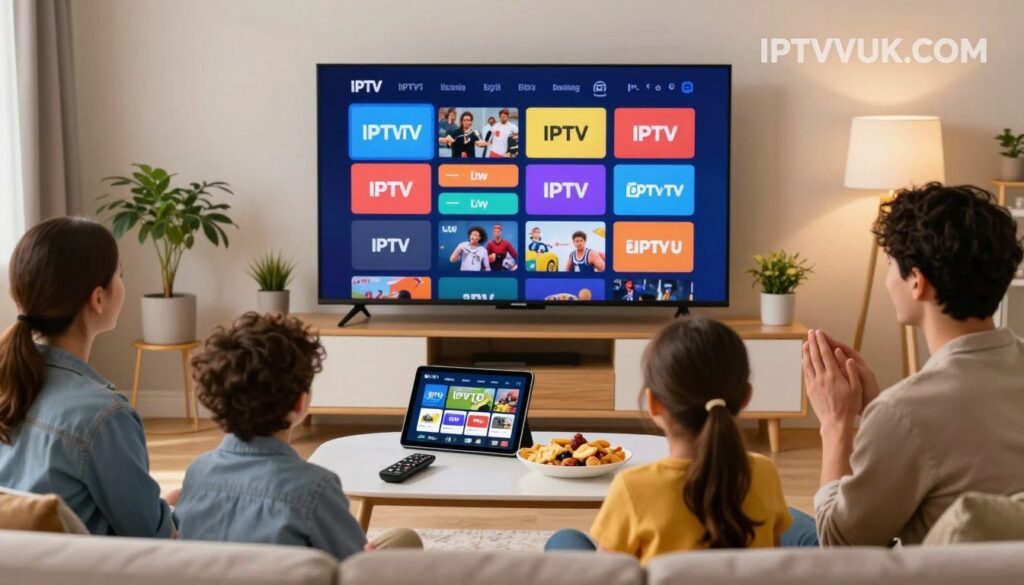
As the demand for diverse and accessible content continues to grow, IPTV TV is well-positioned to meet these needs, providing users with a more satisfying viewing experience.
Types of IPTV Services Available
The IPTV market offers a broad spectrum of services, from basic streaming to advanced hybrid solutions. As the demand for flexible entertainment options grows, IPTV providers are responding with a variety of service models to suit different customer needs.
Subscription-Based Services
Subscription-based IPTV services are among the most popular options, offering a wide range of channels and on-demand content for a monthly or annual fee. These services typically provide access to a vast library of TV shows, movies, and live sports, making them an attractive alternative to traditional cable or satellite TV. Customers can choose from various packages, including basic, premium, and specialized content bundles.
Free IPTV Options
For those looking for cost-effective solutions, free IPTV options are available, although they often come with limitations. Some providers offer free trials or ad-supported services, allowing customers to access a limited selection of channels or content without a subscription. However, be cautious of services that may infringe on copyright laws.
Hybrid Solutions
Hybrid IPTV solutions combine traditional broadcast methods with internet-delivered content, offering the best of both worlds. These services use a specialized set-top box that can receive both broadcast signals and internet streams, seamlessly integrating them into a single user interface. Key benefits of hybrid solutions include:
- Combining the reliability of conventional TV with the expanded features of IPTV
- Enhanced features like catch-up TV, on-demand libraries, and app integration
- Practical compromise for areas with unreliable internet connectivity
As service providers continue to innovate, the lines between traditional TV and IPTV are blurring, giving customers more choices than ever before. Whether you’re looking for a straightforward streaming service or a more comprehensive hybrid solution, there’s an IPTV service available to meet your needs.
Top IPTV TV Services in 2025
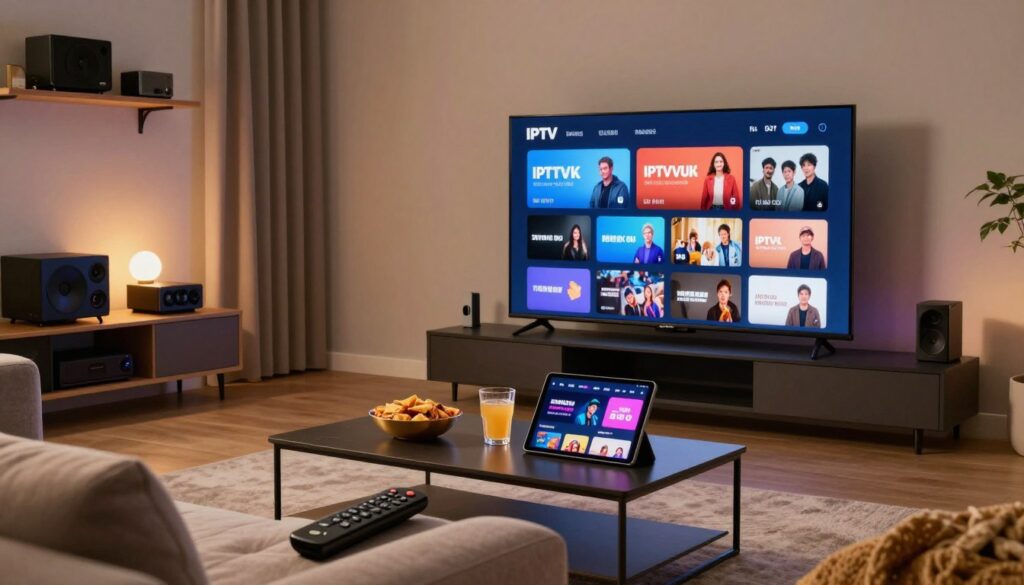
As we dive into 2025, the IPTV landscape is more diverse than ever, offering numerous options for consumers. The market now caters to various needs and preferences, ranging from premium services with extensive content libraries to budget-friendly options that provide essential channels and features.

Premium IPTV Providers
Premium IPTV providers offer a comprehensive viewing experience with a wide range of channels, high-quality content, and advanced features. These services are ideal for viewers who want access to premium content, including sports, movies, and international channels.
Some of the top premium IPTV providers include StreamMaster and TVWave, which offer extensive channel lineups, robust on-demand libraries, and excellent customer support. These services often come with a higher price tag but provide a superior viewing experience.
When choosing a premium IPTV service, consider factors such as channel offerings, content quality, and customer support. Look for services that offer flexible plans and reliable streaming to ensure a satisfactory viewing experience.
Budget-Friendly Options
Budget-friendly IPTV services have become increasingly popular in 2025, offering surprising value to cost-conscious consumers. Providers like ValueStream and EcoTV provide 100-250 channels and basic on-demand libraries for $15-30 monthly.
- These affordable options typically focus on core content categories such as entertainment, news, and sports.
- Many budget services operate on a “build your own package” model, allowing subscribers to select specific channel categories.
- To reduce operational costs, these providers often leverage existing content delivery infrastructure.
- Customer support for budget options has improved significantly, with most now offering email support and community forums.
While budget-friendly IPTV services may lack some premium features, they have become reliable options for viewers who prioritize content access over advanced functionality. Consider services that offer flexible payment plans and good customer support.
IPTV Plans and Pricing Comparison

When considering IPTV services, understanding the various plans and pricing models is crucial for making an informed decision. IPTV providers offer a range of subscription plans designed to cater to different customer needs.
Monthly vs. Annual Subscription Models
IPTV services typically offer both monthly and annual subscription models. Monthly plans provide flexibility, allowing customers to cancel or change their service at short notice. Annual plans, on the other hand, often come with discounts, making them a cost-effective option for those committed to their chosen IPTV service provider.
The choice between monthly and annual plans depends on your viewing habits and budget. If you value flexibility, a monthly plan might be more suitable. However, if you’re looking to save money and are confident in your IPTV choice, an annual plan could be the better option.
What Determines IPTV Service Pricing
Several factors determine IPTV service pricing, including the range of channels offered, the quality of the stream, and additional features like DVR capabilities or simultaneous streams. The provider’s infrastructure and content licensing agreements also play a significant role in pricing.
Furthermore, the connection speed required to support high-definition or 4K streaming can impact the overall cost. Some providers may charge more for faster connection speeds or for the ability to stream on multiple devices simultaneously.
Hidden Costs to Watch Out For
While comparing IPTV plans, it’s essential to be aware of potential hidden costs. Some of these costs include:
- Equipment requirements, such as specific devices or proprietary set-top boxes not included in the advertised subscription price.
- Bandwidth consumption from HD and 4K streaming, which may trigger internet service provider data caps, potentially resulting in overage charges.
- Introductory rates that increase substantially after initial promotional periods, with renewal prices often 40-100% higher than first-year costs.
- Add-on features like premium channel packages, expanded DVR storage, or additional simultaneous streams, which frequently carry separate payment charges.
- Payment processing fees that can apply with certain methods, particularly for international subscribers using currency conversion services.
Essential IPTV Equipment and Requirements
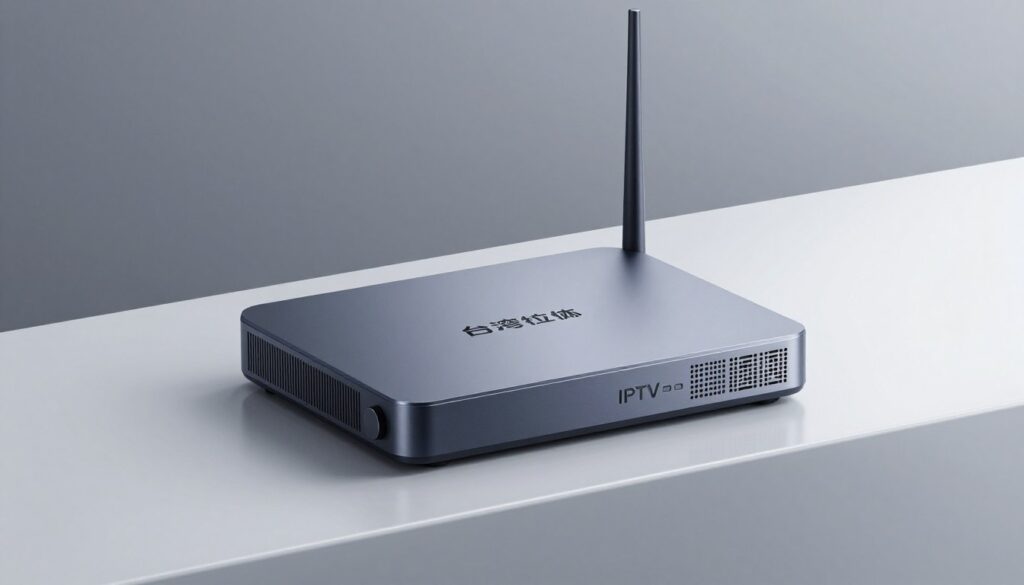
Understanding the essential equipment and requirements is crucial for IPTV users. To enjoy IPTV, you’ll need a combination of the right hardware and a stable internet connection.
Internet Connection Requirements
A stable and fast internet connection is vital for a smooth IPTV experience. Most IPTV services require a minimum internet speed of 25 Mbps for HD streaming and 50 Mbps for 4K content. We recommend using a wired Ethernet connection for better stability, though Wi-Fi can work if your router is sufficiently powerful.
IPTV Boxes and Devices
IPTV boxes, also known as set-top boxes, are dedicated devices that decode IPTV streams and display them on your TV. Popular brands include Deutsche Telekom’s Media Receiver and various Android-based IPTV boxes. These devices often come with their own user interfaces and remote controls, enhancing the IPTV viewing experience.
Smart TVs and IPTV Compatibility
Many modern smart TVs from manufacturers like Samsung, LG, Sony, and TCL offer native IPTV compatibility through their operating systems (Tizen, webOS, Android TV). These smart TVs can run IPTV apps directly, eliminating the need for additional hardware. However, the app ecosystem and processing power can vary significantly between models and brands.
For older smart TVs or those with limited app support, HDMI streaming dongles provide a cost-effective upgrade path to modern IPTV compatibility. Many IPTV services also offer dedicated apps for popular smart TV platforms, ensuring an optimized user experience.
Popular IPTV Apps and Players

The best IPTV experience is often determined by the quality of the app or player used. With numerous options available, selecting the right IPTV app can be challenging. A good IPTV app should offer a seamless user experience, providing access to a wide range of channels and content.
IPTV Smarters Pro Overview
IPTV Smarters Pro is a highly-regarded IPTV app known for its user-friendly interface and robust features. It offers features like Electronic Program Guide (EPG) integration, catch-up/timeshift functionality, and playlist management. The Pro version includes additional features such as ad-free experience, auto-play last channel, and extended playlists history. You can download IPTV Smarters Pro from the Google Play Store.
Other Leading IPTV Applications
Other notable IPTV apps include those that offer advanced features like video playback optimization and search capabilities across live channels and on-demand content. These features enhance the overall user experience by providing quick access to desired content and improving streaming quality on various devices.
App Features to Look For
When choosing an IPTV app, consider the following key features:
* Electronic Program Guide (EPG) integration for program schedules and show descriptions
* Catch-up/timeshift functionality for watching recently aired content
* Search capabilities across live channels and on-demand content
* Playlist management features for organizing IPTV sources
* Video playback optimization settings for improving streaming quality
By focusing on these features, you can select an IPTV app that meets your needs and provides a high-quality viewing experience on your device.
Setting Up Your IPTV TV Service: Step-by-Step Guide
Setting up your IPTV TV service can seem daunting, but with the right guidance, it’s a straightforward process. To ensure a seamless viewing experience, you’ll need to choose the right IPTV service provider, follow a precise installation and configuration process, and be prepared to troubleshoot common setup issues.
Choosing the Right Provider
Selecting a reliable IPTV service provider is crucial. Consider factors such as the variety of channels offered, video quality, and customer support. Look for providers that offer a free trial or a money-back guarantee. Check online reviews and forums to gauge the provider’s reputation and reliability. Ensure they support the devices you plan to use.
Installation and Configuration Process
The installation process typically involves downloading and installing the IPTV app on your device, configuring the connection settings, and activating your account. For multicast streams, it’s recommended to use a UDP proxy. For Windows, you can download and install UDP-to-HTTP proxy from http://borpas.info/download/UdpProxy.exe or check the corresponding option while installing IP-TV Player from http://borpas.info/iptvplayer. For Linux, install udpxy (http://udpxy.com/index-en.html, http://sourceforge.net/projects/udpxy/). The best solution is installing udpxy on your WLAN router, which can be done for DD-WRT (http://www.dd-wrt.com) and OpenWrt (https://openwrt.org) firmware.

Troubleshooting Common Setup Issues
Common issues include connection errors, buffering, EPG problems, and channel loading failures. To troubleshoot:
- Double-check server URLs and authentication details for connection errors.
- Test on different networks, reduce stream quality, or connect via Ethernet to resolve buffering issues.
- Adjust EPG offset settings to fix timezone mismatches.
- Try alternative connection methods or contact your provider for channel loading failures.
- Ensure your device and application are updated and meet minimum system requirements.
For more detailed instructions, refer to your provider’s documentation, such as the VIP2502W-Install-Guide.pdf for specific setup guides.
| Issue | Troubleshooting Steps |
|---|---|
| Connection Errors | Check server URLs, authentication details, and protocol prefix. |
| Buffering Issues | Test on different networks, reduce stream quality, use Ethernet. |
| EPG Problems | Adjust EPG offset settings for timezone mismatches. |
Understanding IPTV TV Content Options
When exploring IPTV services, understanding the available content options is crucial for making an informed decision. IPTV providers offer a diverse range of content to cater to different viewer preferences.
Live TV Channels
IPTV services typically include a wide array of live TV channels, covering various genres such as news, entertainment, sports, and documentaries. This allows viewers to access their favorite programs and stay updated with current events.
Video on Demand (VOD) Libraries
In addition to live TV, IPTV providers often feature extensive Video on Demand (VOD) libraries. These libraries contain a vast collection of movies, TV shows, and original content that viewers can watch at their convenience.
Sports and Premium Content Availability
Sports content has become a significant differentiator among IPTV services. Premium providers offer comprehensive coverage of major leagues, including the NFL, NBA, MLB, and NHL, as well as international soccer and niche competitions. Some key features of sports and premium content on IPTV include:
- Pay-per-view events included at no additional cost with higher-tier subscriptions
- Access to out-of-market games not normally available in the viewer’s location
- Premium movie channels like HBO, Showtime, and Starz included in mid-tier packages
- International sports channels offering cricket, rugby, table tennis, and more
For more information on IPTV and its benefits, you can visit this guide to understand the service better.
IPTV TV for Cord-Cutters: Making the Transition
As you consider cutting the cord, IPTV TV emerges as a compelling alternative to traditional cable services. Before making the switch, it’s essential to evaluate if IPTV is right for you and plan a smooth transition.
Evaluating If IPTV Is Right for You
To determine if IPTV is the best choice for your viewing needs, consider your current streaming experience and preferences. Think about the types of content you watch most often and whether IPTV services offer those channels and shows. You can find IPTV providers that cater to your needs by visiting IPTV services with local channels.
| Feature | Cable TV | IPTV TV |
|---|---|---|
| Content Variety | Limited to provider’s package | Wide range of channels and VOD content |
| Device Compatibility | Limited to cable boxes and some smart TVs | Compatible with multiple devices, including smartphones and tablets |
| Cost | Often more expensive with long-term contracts | Flexible pricing models, including monthly subscriptions |
Strategies for a Smooth Transition from Cable
To ensure a seamless transition from cable to IPTV, follow these strategies:
- Begin with an overlap period where you maintain your cable service while testing your IPTV setup.
- Create a channel mapping document to correlate your favorite cable channels to their IPTV equivalents.
- Set up your IPTV service on one primary device first, perfecting the configuration before expanding to additional screens.
- Invest in quality networking equipment to ensure a stable connection for streaming.
- Consider a universal remote control solution to maintain a familiar channel-surfing experience.
- Prepare family members for the transition by demonstrating the new system and creating shortcuts to favorite channels.
By carefully evaluating your options and planning your transition, you can enjoy a smooth and satisfying IPTV experience.
Legal Considerations and IPTV
As you explore IPTV services, it’s crucial to understand the legal landscape surrounding these platforms. The legality of IPTV services varies widely depending on the service provider and the content they offer.
Understanding Legal vs. Gray Area Services
Legal IPTV services operate with proper licensing agreements, providing users with authorized access to content. However, some services exist in a gray area, potentially infringing on copyright laws. When choosing an IPTV service, it’s essential to research their legitimacy and compliance with copyright regulations.
For more information on legal IPTV services, you can visit https://www.softwaretestinghelp.com/legal-iptv-services/ to learn about the criteria that distinguish legitimate providers from potentially problematic ones.
Copyright Issues and Content Licensing
Copyright issues are at the forefront of IPTV legal considerations. Key aspects include:
- Content licensing forms the foundation of legal IPTV services, with providers negotiating rights to distribute channels and on-demand content.
- Territorial licensing restrictions explain why content availability varies by region.
- Retransmission consent agreements allow IPTV providers to legally broadcast network television channels.
As a user, understanding these complexities can help you make informed decisions about your IPTV access. Legitimate IPTV services prioritize compliance with copyright laws, ensuring a safe and legal viewing experience.
Optimizing Your IPTV Experience
IPTV users can significantly enhance their viewing experience by implementing a few simple optimizations. A well-optimized IPTV setup ensures high-quality streaming, reduces buffering, and provides a more stable connection to your service provider.
Improving Streaming Quality and Reducing Buffering
To improve streaming quality, a stable and fast internet connection is essential. Here are some tips to enhance your IPTV streaming:
- Ensure your internet plan is sufficient for IPTV streaming. A minimum speed of 10 Mbps is recommended for HD content.
- Use a wired Ethernet connection instead of Wi-Fi for a more stable network connection.
- Close unnecessary applications and devices that may be consuming bandwidth on your network.
- Regularly update your IPTV device and apps to the latest software versions.
For users experiencing buffering issues, check your network configuration and consider upgrading your internet plan if necessary. You can also try configuring your router for optimal performance.
| Optimization Technique | Benefit |
|---|---|
| Wired Ethernet Connection | More stable network connection |
| Regular Software Updates | Improved device performance and security |
| Bandwidth Management | Reduced buffering and improved streaming quality |
Using VPNs with IPTV Services
Using a Virtual Private Network (VPN) with your IPTV service can provide several benefits, including enhanced privacy and potential access to geo-restricted content. A VPN encrypts your internet traffic, preventing your Internet Service Provider (ISP) from identifying and potentially throttling your streaming activities.
When selecting a VPN for IPTV, prioritize services with high-speed servers, unlimited bandwidth, and strong privacy policies. For more information on configuring VPN settings for IPTV, you can refer to resources like this guide on optimizing VPN settings for IPTV.
Key considerations when using a VPN with IPTV include:
- Server location selection can impact both performance and content access.
- Some IPTV services may block known VPN IP addresses, so it’s essential to choose a VPN that works effectively with IPTV.
- Features like split tunneling and protocol options can help minimize speed impact.
By optimizing your IPTV experience with the right equipment, network configuration, and service provider, you can enjoy a seamless and high-quality streaming experience.
The Future of IPTV TV Technology
The IPTV landscape is on the cusp of a significant transformation, driven by emerging technologies and innovations. As we move forward, several key developments are expected to shape the industry.
Emerging Trends and Innovations
The IPTV industry is witnessing a surge in innovative technologies that promise to enhance the viewing experience. One of the significant trends is the improvement in streaming quality, with a shift towards higher bitrate streams and better compression techniques. This results in improved video quality and reduced buffering, making for a more seamless viewing experience.
Another emerging trend is the integration of edge computing capabilities within networks, which moves video processing closer to end-users. This not only reduces latency but also enables more complex interactive features without performance penalties.
How 5G Will Impact IPTV Services
The advent of 5G networks is set to revolutionize IPTV services, particularly in terms of mobile consumption. With 5G, connection speeds can reach up to 10Gbps, enabling true 4K and even 8K streaming on mobile devices without Wi-Fi dependency.
- 5G networks will provide connection speeds up to 10Gbps, enabling true 4K and even 8K streaming on mobile devices.
- The reduced latency of 5G (as low as 1ms) will enable near-real-time streaming, eliminating delays between live events and their broadcast.
- Fixed wireless 5G home internet will create new competition in the broadband market, potentially lowering costs for high-speed connections.
| 5G Impact | Description | Benefit |
|---|---|---|
| Enhanced Mobile Streaming | 10Gbps connection speeds | True 4K/8K streaming on mobile devices |
| Reduced Latency | 1ms latency | Near-real-time streaming |
| Fixed Wireless Internet | New broadband competition | Lower costs for high-speed connections |
For more insights on the IPTV market, you can refer to the Credence Research report on Internet Protocol Television (IPTV).
Conclusion: Choosing the Best IPTV TV Solution for Your Needs
Transforming your TV experience with IPTV starts with choosing a provider that aligns with your entertainment preferences. As you’ve learned throughout this guide, the key to a successful IPTV experience lies in balancing several critical factors.
When evaluating IPTV services, consider your content preferences, whether that’s sports, international channels, or movies. Your viewing habits should heavily influence your choice – for instance, heavy sports viewers should prioritize services with comprehensive live sports coverage.
Device compatibility is another crucial aspect. Ensure that your chosen provider works seamlessly with your preferred viewing devices, whether that’s smart TVs, streaming boxes, or mobile devices. This compatibility is vital for a smooth streaming experience.
The quality of your IPTV connection also plays a significant role. A stable internet connection is necessary for high-quality streaming. Thus, understanding your internet requirements and choosing a plan that meets these needs is essential.
As IPTV technology continues to evolve, the world of television is becoming more personalized and accessible. By considering these factors and starting with shorter subscription terms to evaluate service quality, you can find an IPTV solution that delivers the content you want at a price that provides value.
In conclusion, the future of television is here, and it’s streaming over the internet. With the right IPTV provider, you can enjoy a superior viewing experience that meets your unique entertainment needs.